Ad

Ad

Progress for group 0 ad

Chilen
Addis Ababa, Ethiopia
Chilen
Addis Ababa, Ethiopia
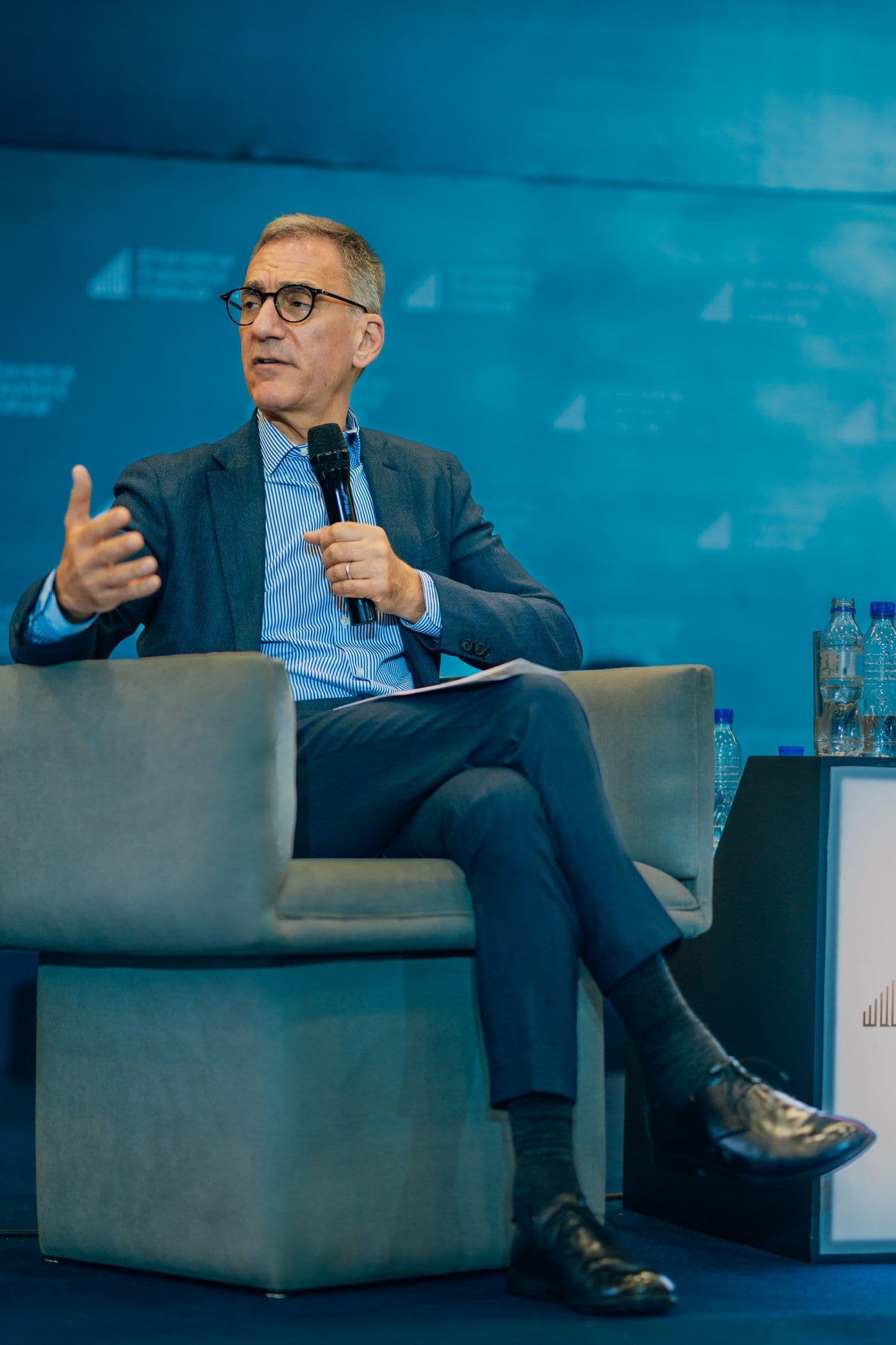
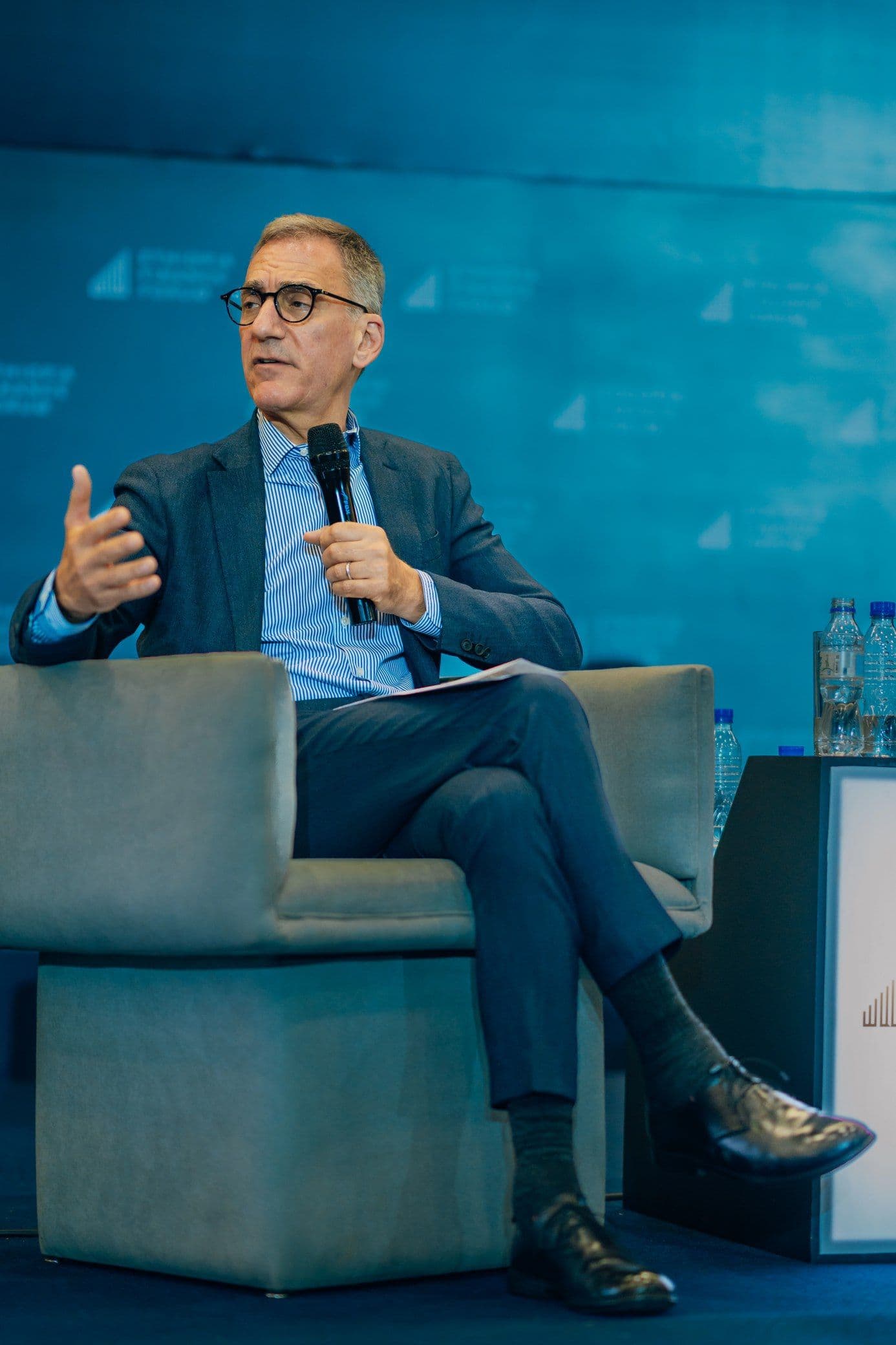
efore becoming Accion’s President and CEO sixteen years ago, Michael Schlein built a career spanning diverse institutions. From shaping policy in the New York City government to holding senior roles at Citigroup and the United States Securities and Exchange Commission.
Under his leadership, Accion a nonprofit founded in 1961 with a mission to bring financial tools to those often left out of the system, has become a major force in inclusive fintech investment, backing more than 267 financial service providers across 75 countries and reaching over 440 million people. The organization has helped launch several high-impact companies, including 7 unicorns, and has deep roots in Latin America, where it first grew to scale before expanding globally.
Now visiting Ethiopia for the second time, Michael returned to Addis Ababa to take part in the inaugural Ethiopia Finance Forum. During the visit, he sat down with Shega’s Etenat Awol to discuss Accion’s work in Ethiopia, its evolving strategy, the power of data and digital tools to drive financial inclusion, and what success could look like for Ethiopia on the global fintech stage.
Shega: Accion works across continents with several partners. Can you walk us through your model and how you operate globally?
Michael: Accion’s mission is to create a financially inclusive world, with a focus on the nearly 2 billion people who are excluded from the global financial system. We do this in several ways. First, we invest in early-stage fintech through our Accion Venture Lab and in more mature startups through Quona Capital. Second, we partner with existing banks and microfinance institutions to help them digitally transform and reach more underserved clients. While our advisors work on the ground in many countries, including Ethiopia, to help financial service providers innovate and scale. We also conduct research and advocacy to advance the field of financial inclusion, and in the U.S., we’re a direct lender to small businesses that have trouble accessing capital.
The rapid adoption of digital technology and mobile phones has created new opportunities to reach people who have long been excluded, and we’re working to leverage these trends to make financial services more accessible and impactful.
Shega: Accion is known for investing in early-stage fintech companies. Could you explain your approach to these investments and how initiatives like Accion Venture Lab and Quona Capital fit into your broader strategy?
Michael: We invest at the seed level through Accion Venture Lab, which focuses on startups that are just getting off the ground and have innovative ideas for serving the financially excluded. Quona Capital, which we helped launch, invests at the Series A and B stages in fintech companies with proven models that are ready to scale. Our approach is to support entrepreneurs who are using technology to solve real problems for underserved communities, whether it’s providing access to credit, insurance, savings, or payments. By supporting these companies early, we help them grow and reach millions of people who otherwise wouldn’t have access to formal financial services.
Shega: Beyond startups, Accion also works with established banks and microfinance institutions. What are the main challenges and opportunities in helping these institutions adopt new technologies?
Michael: The biggest challenge is often cultural. Many traditional institutions are used to doing things in a certain way, and digital transformation requires a shift in mindset. There’s also the challenge of building the right technology and data infrastructure. But the opportunity is enormous. By adopting digital tools, these institutions can reach clients in remote areas, reduce costs, and offer more tailored products. We help them experiment, learn, and scale what works, often using our balance sheet to share the risk.
Shega: Accion has worked across continents, each with its own challenges. As the world embraces digital finance and emerging tech, what do you see as the most urgent priority to ensure that financial inclusion remains genuinely inclusive?
Michael: This is a pivotal moment. Over the past several decades, global poverty has steadily declined. But that progress stalled during the pandemic and has been further eroded by inflation and supply chain disruptions. For the first time in decades, we’re not seeing any real progress in reducing poverty. So, our work is more urgent than ever.
On the other hand, we’ve also seen tremendous digital innovation. Even the poorest communities now often have access to mobile phones and increasingly, smartphones. The combination of stalled poverty reduction and unprecedented digital penetration makes this a moment of both crisis and opportunity. If we act now, we can truly build a financially inclusive world.
Shega: Accion has recently deepened its presence in Ethiopia, partnering with institutions like Dashen Bank. What motivated this move, and what are your key priorities in Ethiopia?
Michael: Ethiopia is incredibly exciting. Your central bank governor described it as "the last frontier, “a nation of 130 million people that’s only recently opening to the global economy. The government's vision, and the central bank’s execution of that vision is impressive.
We’ve formed several partnerships in the country. As you mentioned, we’re working with Dashen Bank to help them build an innovation hub and digitally transform. We're also working with Kifiya, which uses alternative data to reach populations previously considered unbankable. That program is supported by Jersey Overseas Aid.
Another priority is refugees. Ethiopia hosts over a million refugees, and bringing them, especially women, into the economy is a huge challenge and opportunity.
Shega: What is the scale of Accion’s investments globally, and how does that play out in Africa and Ethiopia specifically?
Michael: Historically, we’ve invested in or supported 267 financial service providers in 75 countries. These institutions now serve hundreds of millions of people who would otherwise be excluded.
We started in Latin America with microfinance and later expanded to Africa, India, China, the Philippines, Indonesia, Myanmar, and beyond. Over the past 12 years, we’ve focused on fintech, becoming an active investor at the seed, Series A, and B stages.
In Africa, we’ve worked across a dozen countries. Our focus remains on supporting both fintech and traditional institutions as they modernize and use digital tools to reach new populations. We also continue to invest in research and policy to drive systemic change.
Shega: How do you see microfinance evolving with emerging technologies like AI, especially in underserved regions like Sub-Saharan Africa?
Michael: We're living through a digital revolution. Think about how your own life has changed through your phone. That same technology and the data it enables,is finally letting us see people whom banks couldn’t “see” before.
Take Pula, for example. It started in Kenya and now operates in 20 African countries, including Ethiopia. They use satellite data now high quality and affordable to monitor conditions for smallholder farmers. They can track droughts, floods, soil quality, and more. For the first time, they can insure a remote, one-acre family farm.
In the past, small transactions and geographic distance made serving these clients commercially unviable. Not anymore. With AI and data analytics, we can reach people remotely, personalize products, and make real-time decisions.
Let me give you another example. There's a company called Field Intelligence. It started out in Kenya and has since expanded to Nigeria. They're focused on reducing the cost of the medical supply chain across Africa. At its core, they're a logistics company that works with small, mom-and-pop pharmacies. They use artificial intelligence to tell the pharmacy owner what she should put on her shelves.
Now, think about it: for a small pharmacy, what she stocks is everything. If she has the wrong drugs, people get sick. If she has too much of something, she ends up throwing away expired medicine and with it, her profits. So predictive analytics that tell her exactly what to stock is critical to her success.
Field can make that investment in analytics something she could never do on her own. And now, Field has a network of thousands of small pharmacies. That gives them visibility into trends s
Quick Links
#5GShare this post:

Chilen
Chilenew is well Experienced QA Engineer
At Shega, we do more than tell stories. We help you make an impact. Our platforms, data, and expertise connect brands, organizations, and investors to the audiences and insights that matter.
Reach, engage, and grow with us.
Get in Touch
Healthcare Startup Debuts Prescription Platform
03 March 2025

Billionaire’s Son Fumbles Bag with Fintech Startup
24 November 2024

How to Think about Financial Inclusion in Ethiopia?
17 April 2024
Latest Stories
22 December 2025
𝗗𝗲𝘀𝗶𝗴𝗻𝗲𝗱 𝗳𝗼𝗿 𝗪𝗵𝗼𝗺? 𝗧𝗵𝗲 𝗠𝗶𝗿𝗮𝗴𝗲 𝗼𝗳 𝗪𝗼𝗺𝗲𝗻-𝗖𝗲𝗻𝘁𝗿𝗶𝗰 𝗗𝗶𝗴𝗶𝘁𝗮𝗹 𝗙𝗶𝗻𝗮𝗻𝗰𝗲 𝗶𝗻 𝗘𝘁𝗵𝗶𝗼𝗽𝗶𝗮 QA
By Chilen14 December 2025
From Campus Idea to Satellite TV: Ethiopia Gets Its First Home Shopping Channel QA test
By ChilenLatest Stories
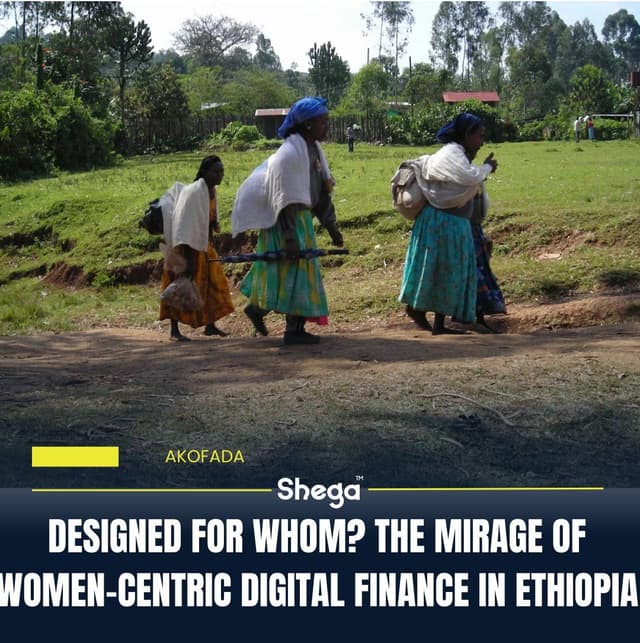
𝗗𝗲𝘀𝗶𝗴𝗻𝗲𝗱 𝗳𝗼𝗿 𝗪𝗵𝗼𝗺? 𝗧𝗵𝗲 𝗠𝗶𝗿𝗮𝗴𝗲 𝗼𝗳 𝗪𝗼𝗺𝗲𝗻-𝗖𝗲𝗻𝘁𝗿𝗶𝗰 𝗗𝗶𝗴𝗶𝘁𝗮𝗹 𝗙𝗶𝗻𝗮𝗻𝗰𝗲 𝗶𝗻 𝗘𝘁𝗵𝗶𝗼𝗽𝗶𝗮 QA
22 December 2025
From Campus Idea to Satellite TV: Ethiopia Gets Its First Home Shopping Channel QA test
14 December 2025

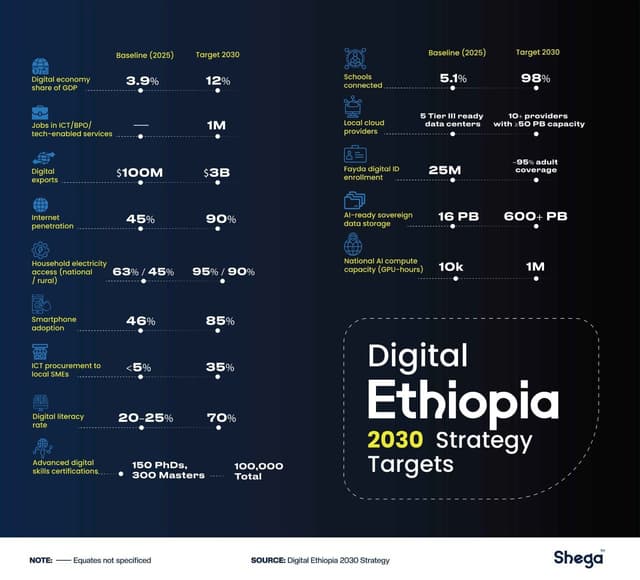
𝗗𝗮𝘁𝗮 𝗦𝗼𝘃𝗲𝗿𝗲𝗶𝗴𝗻𝘁𝘆, 𝗧𝗲𝗰𝗵-𝗦𝗮𝘃𝘃𝘆 𝗖𝗶𝘃𝗶𝗹 𝗦𝗲𝗿𝘃𝗮𝗻𝘁𝘀 & 𝟭 𝗺𝗶𝗹𝗹𝗶𝗼𝗻 𝗜𝗧 𝗷𝗼𝗯𝘀: 𝗨𝗻𝗽𝗮𝗰𝗸𝗶𝗻𝗴 𝗘𝘁𝗵𝗶𝗼𝗽𝗶𝗮’𝘀 𝟮𝟬𝟯𝟬 𝗗𝗶𝗴𝗶𝘁𝗮𝗹 𝗥𝗼𝗮𝗱𝗺𝗮𝗽 on Qa strapi
11 December 2025
Healthcare Startup Debuts Prescription Platform
03 March 2025
Billionaire’s Son Fumbles Bag with Fintech Startup
24 November 2024
How to Think about Financial Inclusion in Ethiopia?
17 April 2024