Ad

Ad

Progress for group 0 ad

Chilen
Addis Ababa, Ethiopia
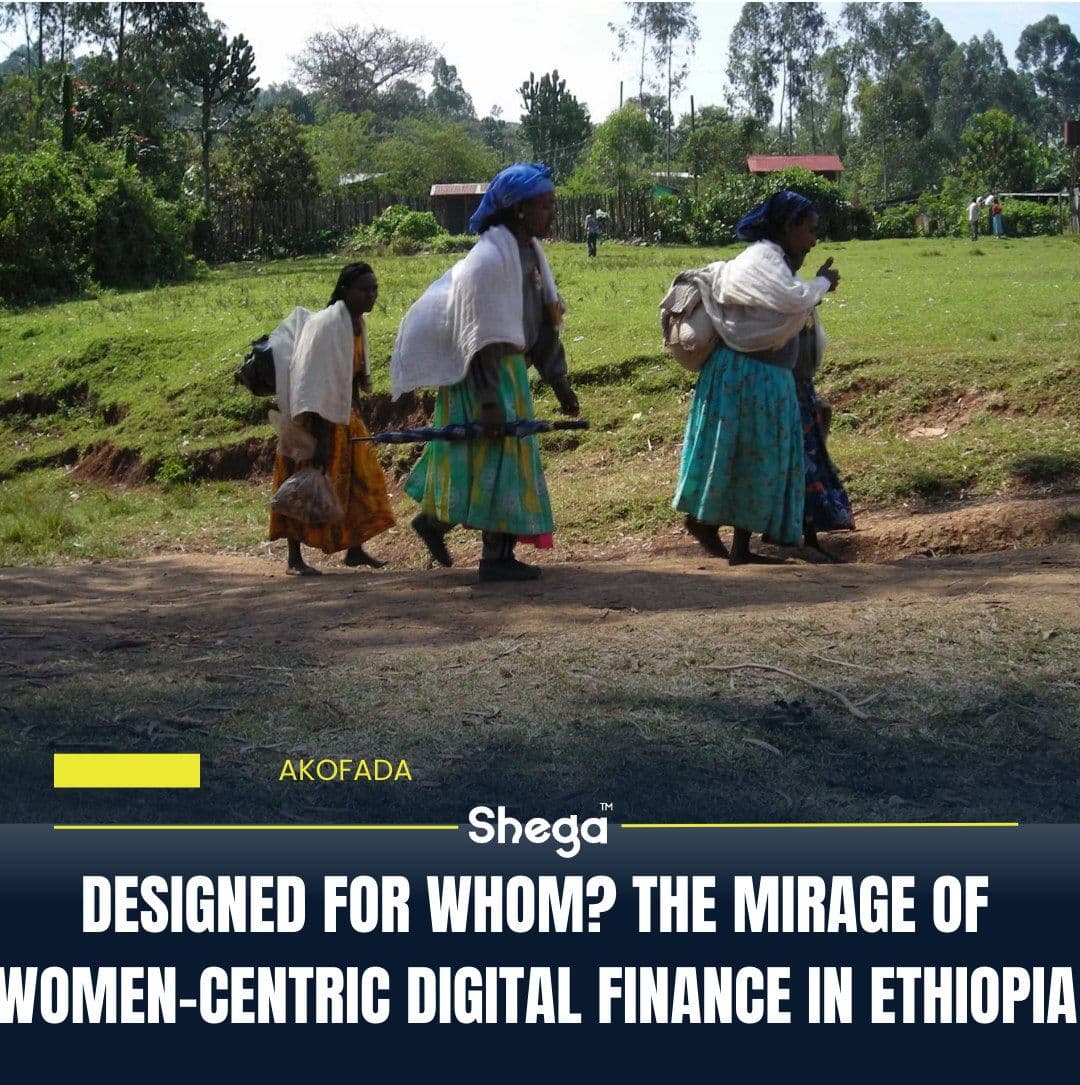
Despite growing attention to the gender gap in digital finance, efforts to promote “women-centric” digital financial services in Ethiopia often stop at rhetoric. Policymakers and providers cite stark disparities in access and usage, then prescribe vaguely “tailored” products that rarely reflect women’s lived economic realities
Closing the gap requires moving beyond labels and incremental tweaks toward genuinely gender-intentional design, grounded in data, context, and accountability.
This article is an output of AKOFADA (Advancing Knowledge on Financial Accessibility and DFS Adoption), a project working to increase knowledge and transparency within Ethiopia’s DFS ecosystem
Too often, when financial experts and policymakers discuss closing the gender gap in digital financial service (DFS) usage and financial inclusion, they seem to follow the same predictable script.
It typically begins with experts citing stark numbers, such as a wide disparity in account ownership between men and women in Ethiopia, gaps in access to bank accounts, and lower uptake of mobile money among women. The data is, of course, always quite striking as the gap in account ownership of 14.9% is higher than the Sub-Saharan aggregate of 12%. Women in Ethiopia are less likely to have an account, a mobile phone, or access to DFS. All too common, these dismal statistical figures are followed by generic conclusions with little nuance.
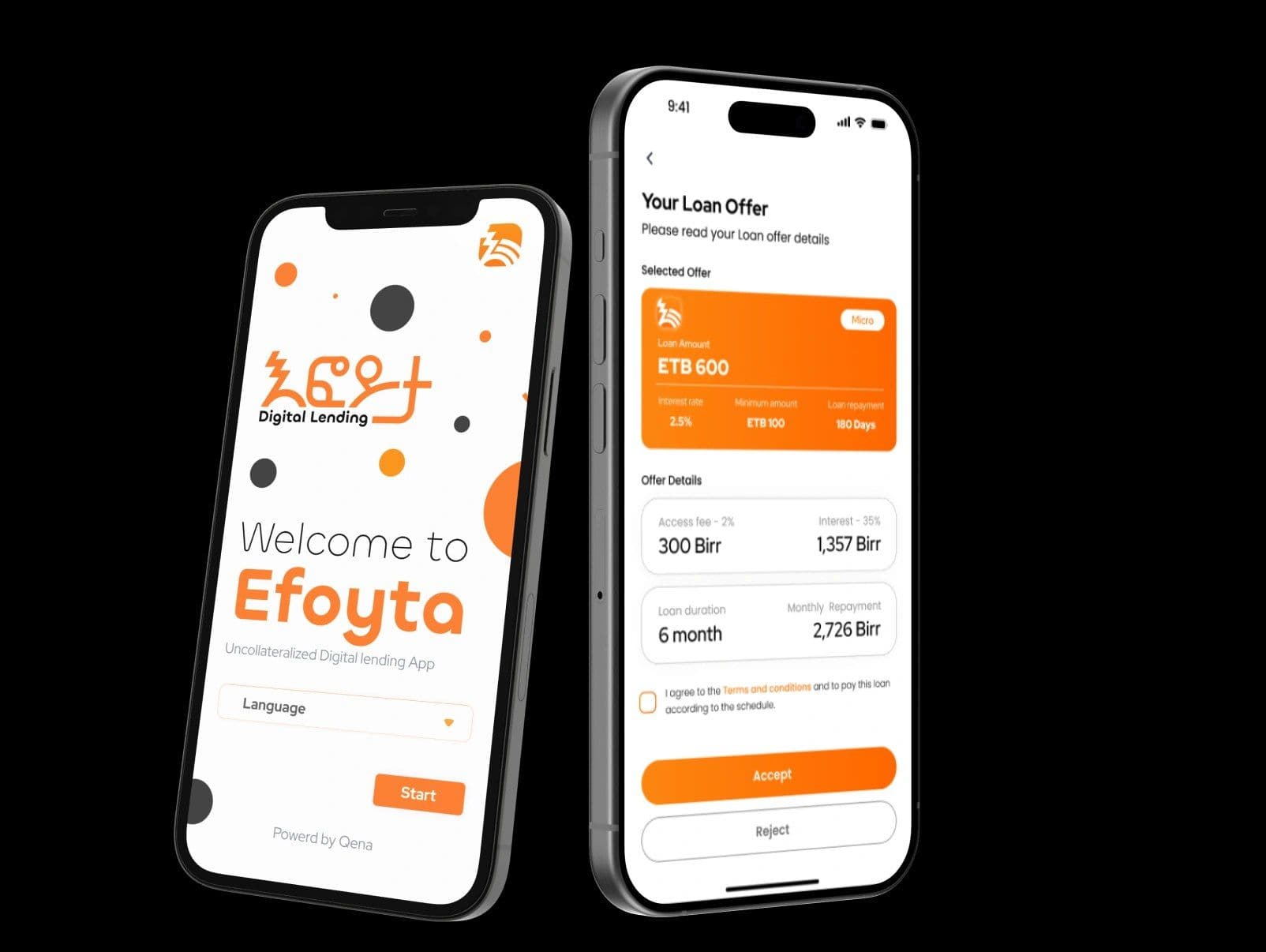
Almost reflexively, the solution is framed as the need for “tailored” or “women-centric” financial products. The prescription sounds logical, even progressive, at first glance, but too often loses its strength when the time comes for a coherent path to deploying products tailored to the lived realities of women. Especially in Ethiopia’s context, where concrete examples remain scarce, “tailoring” risks becoming a catch-all phrase, persuasive in language but thin in substance, sidestepping deeper questions about how digital finance is designed, priced, and delivered, and for whom it truly works.
And that’s precisely why we need to break it down.
What Exactly are "Women-Centric" or Tailored DFS Products?
The early foundations of “women-tailored” financial products were laid with the passing of the Equal Opportunities Act back in the 1970s, when discriminatory lending based on gender, race, and marital status was prohibited in the US. It would take several decades before this drive towards financial inclusivity translated into DFS products and as a crucial topic among development partners. At its core, the concept moves beyond gender-neutral offerings to intentionally “design for women,” a philosophy that Jessica Schnabel, the IFC’s global head of Banking on Women, has argued is fundamentally more profitable for financial institutions than a neutral approach.
This design thinking responds to the lived realities of women’s financial lives: irregular income streams shaped by informal and care work; a heightened need for security and privacy in transactions; and a preference for tools that build resilience for families and communities.
Such DFS products can include savings, credit, insurance, and payment tools redesigned through gender-intelligent or women-centered methodologies. Often using human-centered design, providers segment markets by gender, simplify interfaces for lower literacy, offer flexible repayment, or bundle features like maternity-linked insurance or emergency savings aligned with irregular informal incomes.
A digital financial service becomes “tailored” or “women-centric” when both its design process and its features are built intentionally around women’s real contexts, rather than simply opened to women as an undifferentiated customer segment. This requires sex-disaggregated data and women-centered research: the provider segments women by income, location, life stage, and activity (for example, market traders, factory workers, rural farmers), studies their constraints (time, mobility, literacy, norms), and then designs products and channels specifically to fit those patterns rather than expecting women to adapt to generic products.
What makes a DFS genuinely women-centric is therefore less about the label and more about benchmarks across several dimensions. There must be clear, demonstrable evidence that women are not only being reached, but are actively using and benefiting from the product. This requires explicit targets and routine tracking of women’s account ownership, active usage, loan approvals, and repayments, and other key performance indicators, each measured through sex-disaggregated data and reviewed on a regular basis.
On the product side, benchmarks include need-based features (small, flexible ticket sizes; repayment aligned with irregular cash flows; fees and KYC requirements that low-income women can realistically meet), accessible interfaces (USSD/IVR for low literacy, local language, simple menus), safe and acceptable access points (female or trusted agents, privacy safeguards, protection from harassment), and embedded capability-building (on-journey prompts, demos, peer learning) that recognize women’s lower initial confidence with DFS.
Institutional benchmarks also matter: a gender strategy with board-level commitment, staff incentives tied to women’s outreach and quality of service, and systematic use of gender data in product management and risk models are now seen as core markers of “gender-intentional” DFS rather than add-ons. Such frameworks also need to emphasize that women-centric DFS must be “responsible”: products should avoid over-indebting women or pushing them into opaque fee structures, provide recourse mechanisms that women actually use, and be evaluated not just on volumes but on outcomes such as resilience, control over money, and business growth for women clients.
So, what does that look like on the ground?
A particularly interesting example of tailored digital financial services comes from Cambodia. In 2020, Women’s World Banking and mobile wallet provider WING worked with garment workers in Phnom Penh to launch Savings Groups 2.0. The initiative grew out of immersive ethnographic research that revealed widespread distrust of mobile apps among women factory workers, compounded by literacy gaps and irregular bonus-based incomes.
In response, designers recreated familiar tontine-style savings groups using USSD on basic phones. Factory-gate workshops led by female officers focused on group goal setting for expenses such as school fees, supported by peer SMS nudges, simple progress indicators, and penalty-free withdrawals, with door-to-door cash collection during repayments. The results were striking 75 percent of participants met their savings targets within six months, average balances tripled to about $20, 80 percent remained active users, satisfaction reached 85 percent in sex-disaggregated surveys, and women reported greater control over their finances. The model delivered low-cost deposits for providers while demonstrating that women-centered design could scale.
Kenya’s Kopo Kopo offers another parallel lesson on how a digital SME finance product can become a de facto women-centric product without being branded that way.
Built on M-Pesa merchant payments, Kopo Kopo’s core product is a cash-advance facility that turns digital receivables into working capital. Without requiring collateral, guarantors, or credit history, it mines M-Pesa till flows, offering advances based on recent turnover. Repayment is a fixed percentage of daily digital sales, so slow days don't bring fixed instalments, late fees, or collection calls, the payback schedule breathes with the business. This flexibility is critical for female-owned enterprises with variable income.
Through a lightweight Android app and SMS summaries, merchants get a CRM-style dashboard highlighting "best restock day" based on past sales. For many women traders juggling household and stock expenses, this predictive nudge helps them buy inventory just before peak demand, like uniforms before the new school term. The product also recognizes chamas, women’s savings and investment groups central to Kenyan financial life, offering group advances that let members cross-guarantee based on pooled transactions, rather than borrowing individually.
The result is a usage pattern that looks very different from the platform’s underlying merchant base. Although women account for only about 37 percent of registered merchants on Kopo Kopo, they receive roughly 58 percent of all cash advances. The design receivables-based scoring, elastic repayment, group structures, and low-friction digital cha
Quick Links
#5GShare this post:

Chilen
Chilenew is well Experienced QA Engineer
At Shega, we do more than tell stories. We help you make an impact. Our platforms, data, and expertise connect brands, organizations, and investors to the audiences and insights that matter.
Reach, engage, and grow with us.
Get in Touch
𝗔𝗳𝗿𝗼𝗠𝗲𝘀𝘀𝗮𝗴𝗲 𝗜𝘀 𝗥𝗶𝘀𝗶𝗻𝗴 𝗮𝘀 𝗘𝘁𝗵𝗶𝗼𝗽𝗶𝗮’𝘀 𝗦𝗠𝗦 𝗣𝗼𝘄𝗲𝗿𝗵𝗼𝘂𝘀𝗲
04 June 2025
Latest Stories
22 December 2025
𝗗𝗲𝘀𝗶𝗴𝗻𝗲𝗱 𝗳𝗼𝗿 𝗪𝗵𝗼𝗺? 𝗧𝗵𝗲 𝗠𝗶𝗿𝗮𝗴𝗲 𝗼𝗳 𝗪𝗼𝗺𝗲𝗻-𝗖𝗲𝗻𝘁𝗿𝗶𝗰 𝗗𝗶𝗴𝗶𝘁𝗮𝗹 𝗙𝗶𝗻𝗮𝗻𝗰𝗲 𝗶𝗻 𝗘𝘁𝗵𝗶𝗼𝗽𝗶𝗮 QA
By Chilen14 December 2025
From Campus Idea to Satellite TV: Ethiopia Gets Its First Home Shopping Channel QA test
By ChilenLatest Stories
𝗗𝗲𝘀𝗶𝗴𝗻𝗲𝗱 𝗳𝗼𝗿 𝗪𝗵𝗼𝗺? 𝗧𝗵𝗲 𝗠𝗶𝗿𝗮𝗴𝗲 𝗼𝗳 𝗪𝗼𝗺𝗲𝗻-𝗖𝗲𝗻𝘁𝗿𝗶𝗰 𝗗𝗶𝗴𝗶𝘁𝗮𝗹 𝗙𝗶𝗻𝗮𝗻𝗰𝗲 𝗶𝗻 𝗘𝘁𝗵𝗶𝗼𝗽𝗶𝗮 QA
22 December 2025
From Campus Idea to Satellite TV: Ethiopia Gets Its First Home Shopping Channel QA test
14 December 2025

𝗗𝗮𝘁𝗮 𝗦𝗼𝘃𝗲𝗿𝗲𝗶𝗴𝗻𝘁𝘆, 𝗧𝗲𝗰𝗵-𝗦𝗮𝘃𝘃𝘆 𝗖𝗶𝘃𝗶𝗹 𝗦𝗲𝗿𝘃𝗮𝗻𝘁𝘀 & 𝟭 𝗺𝗶𝗹𝗹𝗶𝗼𝗻 𝗜𝗧 𝗷𝗼𝗯𝘀: 𝗨𝗻𝗽𝗮𝗰𝗸𝗶𝗻𝗴 𝗘𝘁𝗵𝗶𝗼𝗽𝗶𝗮’𝘀 𝟮𝟬𝟯𝟬 𝗗𝗶𝗴𝗶𝘁𝗮𝗹 𝗥𝗼𝗮𝗱𝗺𝗮𝗽 on Qa strapi
11 December 2025
𝗔𝗳𝗿𝗼𝗠𝗲𝘀𝘀𝗮𝗴𝗲 𝗜𝘀 𝗥𝗶𝘀𝗶𝗻𝗴 𝗮𝘀 𝗘𝘁𝗵𝗶𝗼𝗽𝗶𝗮’𝘀 𝗦𝗠𝗦 𝗣𝗼𝘄𝗲𝗿𝗵𝗼𝘂𝘀𝗲
04 June 2025