Ad

Ad

Progress for group 0 ad


Chilen
Addis Ababa, Ethiopia
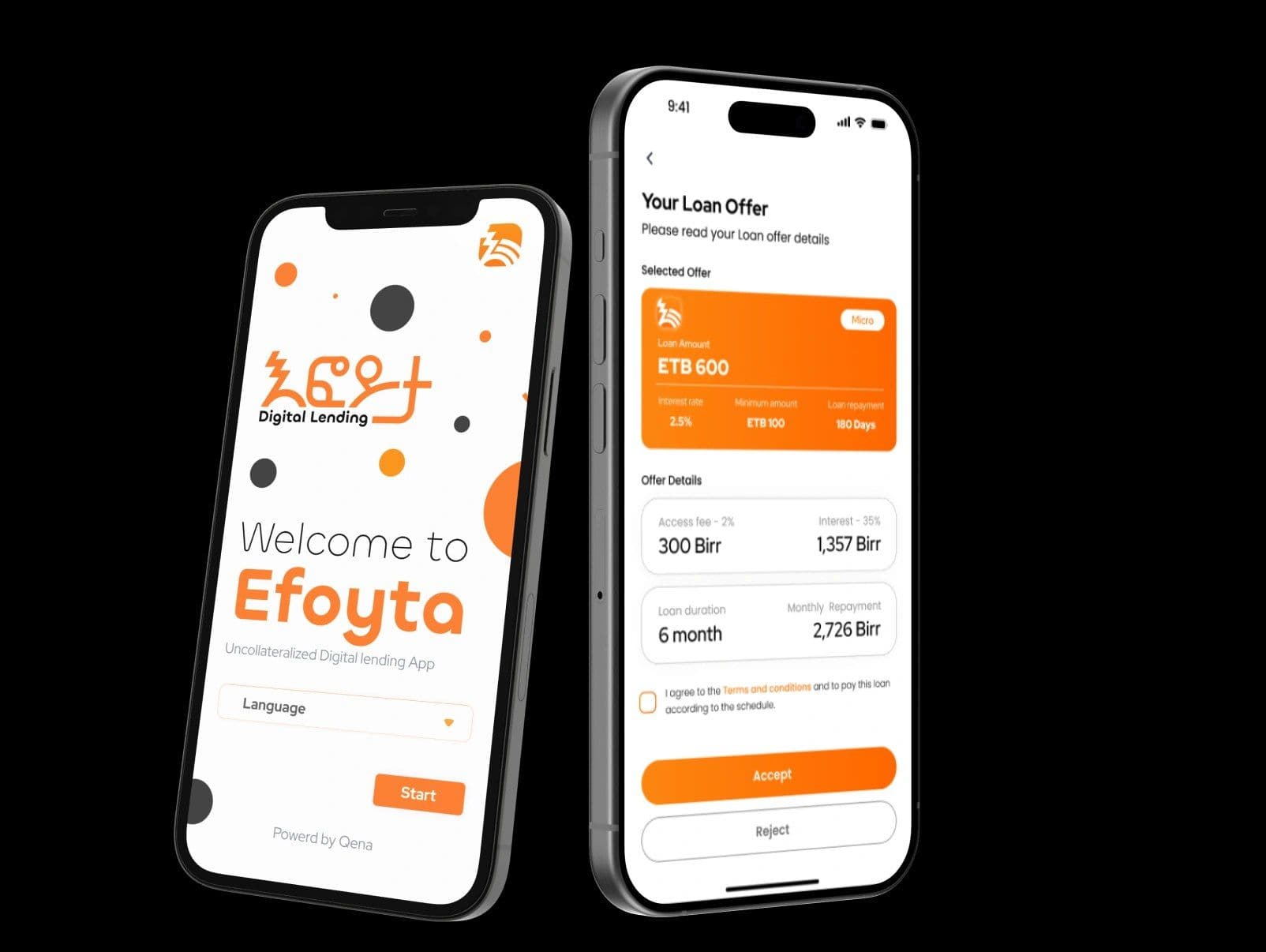
When foreign banks enter Ethiopia’s financial sector, their influence on financial inclusion and the sector’s development will likely depend on the quality and scope of digital financial services (DFS) they introduce.
Targeting overlooked markets, unmet quality standards, and use cases or products beyond the reach of incumbent players could prove especially rewarding. While Ethiopia still faces infrastructure gaps and challenges related to digital literacy, the innovation, capital, and experience that foreign banks are presumed to bring may offer meaningful solutions.
But to compete effectively, they must first understand the limitations that have held back the country’s 31 existing commercial banks.
This article is an output of AKOFADA (Advancing Knowledge on Financial Accessibility and DFS Adoption), a project working to increase knowledge and transparency within Ethiopia’s DFS ecosystem.
For nearly half a century, Ethiopia's banking sector has stood as a bastion against active foreign participation, a guarded enclosure where domestic players thrived in the absence of international competition. The last of the banks that had foreign investors closed shop as the socialist DERG regime ramped up its nationalization efforts in the mid-1970s. Even when private banks were allowed to emerge three decades ago under the EPRDF, they were mandated to be 100% locally owned, cementing what was a "strong aversion to foreign-owned banks."
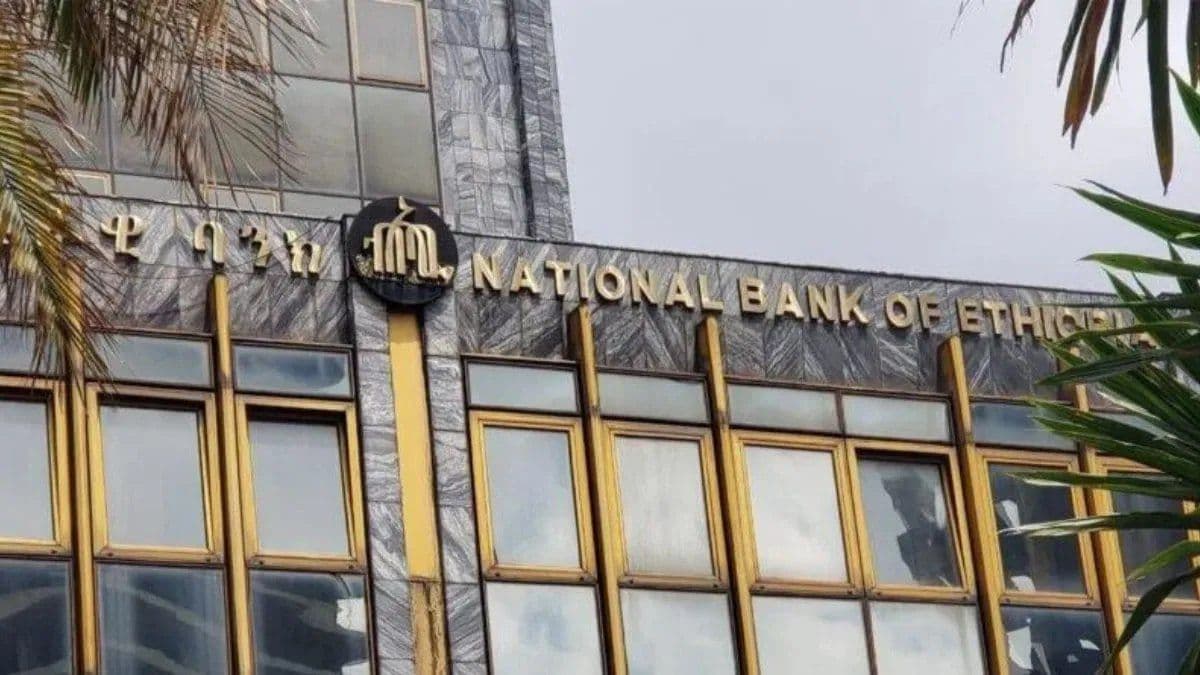
After years of anticipation, Ethiopia's financial sector has finally leapt forward in recent months, culminating last week as the National Bank of Ethiopia (NBE) approved a comprehensive rulebook detailing the framework for the entry and operation of foreign banks. The central bank is now officially open to receive applications from foreign banks and investors.
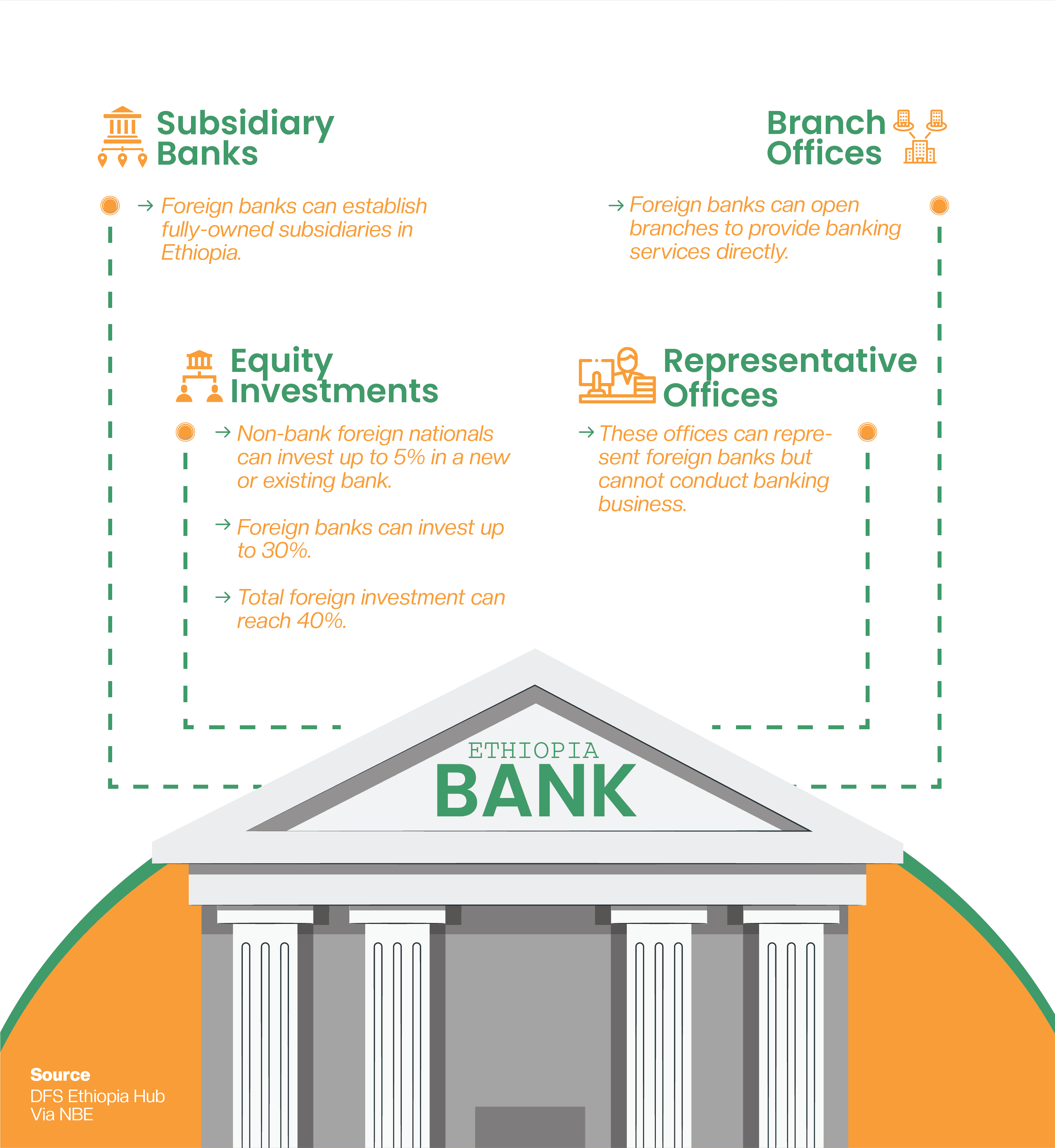
The new directive meticulously defines the pathways for foreign financial institutions to establish a footprint in Ethiopia. It outlines four distinct modalities through which foreign capital can enter the banking sector. A foreign bank might establish a branch that can be deposit-taking or non-deposit-taking (but not both simultaneously). A capital requirement of 5 billion Birr is also required to be remitted into Ethiopia in foreign currency.
Prospective investors could also opt for a foreign bank subsidiary, which would be a locally incorporated entity, albeit controlled by a foreign bank strategic investor.
For those testing the waters, a more limited-function representative office is also an option, focusing primarily on liaison, marketing, and research. Foreign entities may also acquire shares in existing Ethiopian banks.
The NBE's rigorous assessment of any "strategic investor" – a term encompassing reputable foreign banks or bank groups, government-owned entities, international development finance institutions, or private equity funds is paramount. This evaluation delves into several critical areas. First, the NBE will scrutinize the applicant's governance and financial soundness, ensuring robust internal controls and fiscal health. Second, it will verify adherence to the home country's regulatory requirements and, crucially, ascertain the willingness of the home regulator to engage in cross-border supervision and cooperation with the NBE. Lastly, and perhaps most tellingly, the NBE will appraise the strategic value the investor brings to the Ethiopian financial system, looking beyond mere capital injection to the qualitative benefits offered.
Foreign bank subsidiaries and branches, once established, will be held to the same prudential requirements as their domestic counterparts, aiming to ensure a level playing field and maintain the safety and soundness of the sector.
The late Prime Minister Meles Zenawi famously articulated this caution, questioning the wisdom of allowing "instruments we barely understand to operate in our country" until adequate regulatory capacity was developed.
Whether the late Prime Minister’s concerns still hold will be tested out at best within a year (the timeline to begin operations for foreign-owned banks after approval). Adequately regulated or not, the entry of foreign banks will surely usher in a novel dynamic to a financial sector that has ‘flourished’ in the absence of competition.
Share this post:

Chilen
Chilenew is well Experienced QA Engineer
At Shega, we do more than tell stories. We help you make an impact. Our platforms, data, and expertise connect brands, organizations, and investors to the audiences and insights that matter.
Reach, engage, and grow with us.
Get in Touch
Besew Online Debuts as a Platform for Transparent Hiring in Ethiopia
17 December 2025

How a Holiday Hassle Spawned a Thriving Culinary Business
24 November 2024
Latest Stories
22 December 2025
𝗗𝗲𝘀𝗶𝗴𝗻𝗲𝗱 𝗳𝗼𝗿 𝗪𝗵𝗼𝗺? 𝗧𝗵𝗲 𝗠𝗶𝗿𝗮𝗴𝗲 𝗼𝗳 𝗪𝗼𝗺𝗲𝗻-𝗖𝗲𝗻𝘁𝗿𝗶𝗰 𝗗𝗶𝗴𝗶𝘁𝗮𝗹 𝗙𝗶𝗻𝗮𝗻𝗰𝗲 𝗶𝗻 𝗘𝘁𝗵𝗶𝗼𝗽𝗶𝗮 QA
By Chilen14 December 2025
From Campus Idea to Satellite TV: Ethiopia Gets Its First Home Shopping Channel QA test
By ChilenLatest Stories
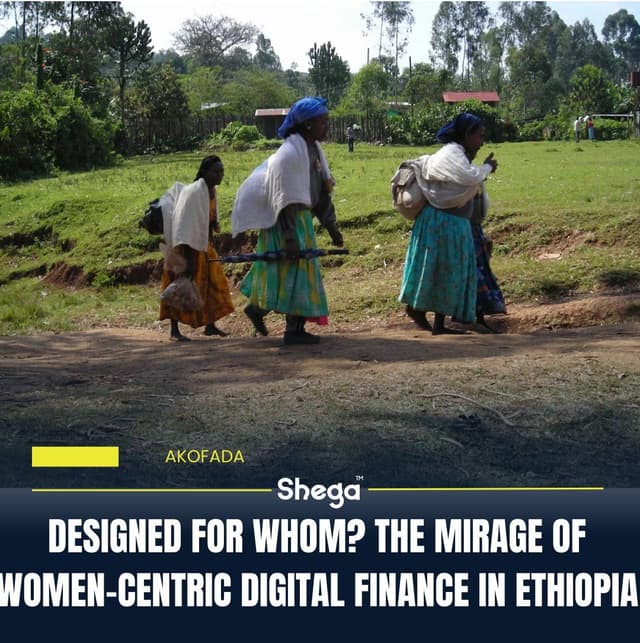
𝗗𝗲𝘀𝗶𝗴𝗻𝗲𝗱 𝗳𝗼𝗿 𝗪𝗵𝗼𝗺? 𝗧𝗵𝗲 𝗠𝗶𝗿𝗮𝗴𝗲 𝗼𝗳 𝗪𝗼𝗺𝗲𝗻-𝗖𝗲𝗻𝘁𝗿𝗶𝗰 𝗗𝗶𝗴𝗶𝘁𝗮𝗹 𝗙𝗶𝗻𝗮𝗻𝗰𝗲 𝗶𝗻 𝗘𝘁𝗵𝗶𝗼𝗽𝗶𝗮 QA
22 December 2025
From Campus Idea to Satellite TV: Ethiopia Gets Its First Home Shopping Channel QA test
14 December 2025

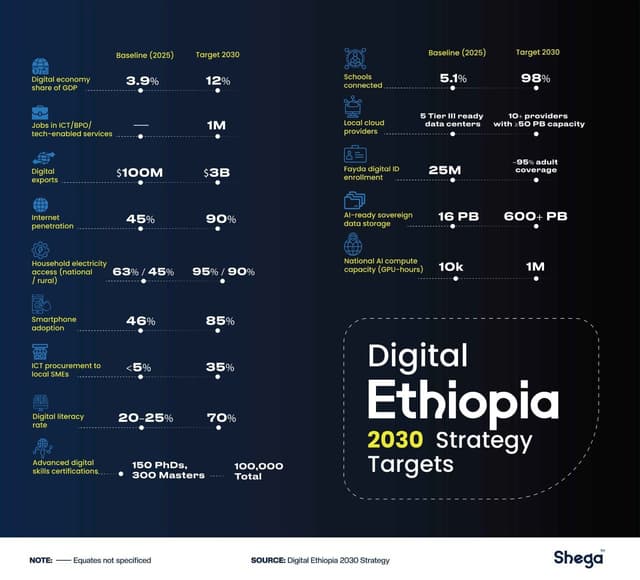
𝗗𝗮𝘁𝗮 𝗦𝗼𝘃𝗲𝗿𝗲𝗶𝗴𝗻𝘁𝘆, 𝗧𝗲𝗰𝗵-𝗦𝗮𝘃𝘃𝘆 𝗖𝗶𝘃𝗶𝗹 𝗦𝗲𝗿𝘃𝗮𝗻𝘁𝘀 & 𝟭 𝗺𝗶𝗹𝗹𝗶𝗼𝗻 𝗜𝗧 𝗷𝗼𝗯𝘀: 𝗨𝗻𝗽𝗮𝗰𝗸𝗶𝗻𝗴 𝗘𝘁𝗵𝗶𝗼𝗽𝗶𝗮’𝘀 𝟮𝟬𝟯𝟬 𝗗𝗶𝗴𝗶𝘁𝗮𝗹 𝗥𝗼𝗮𝗱𝗺𝗮𝗽 on Qa strapi
11 December 2025
Besew Online Debuts as a Platform for Transparent Hiring in Ethiopia
17 December 2025
How a Holiday Hassle Spawned a Thriving Culinary Business
24 November 2024