Ad

Ad

Progress for group 0 ad
Daniel Metaferiya(updated)
Addis Ababa, Ethiopia
Sustainable tech startup Kubik announces raising an additional funding of 1.9 million dollars in seed extension. This latest funding round follows Kubik’s successful seed round last year, which raised 3.34 million dollars, bringing the total seed funding to 5.2 million dollars.
Kubik, which is the first Ethiopian company to raise a multi-million-dollar investment in climate and sustainability solutions, converts plastic waste into building materials.
Investors in the round include East African venture capital firm African Renaissance Partners; net-zero-focused Endgame Capital, an investor in technologies addressing climate change; and climate and extreme poverty investor King Philanthropies.
“The funding will help us scale our work in Ethiopia,” Kidus Asfaw, co-founder and CEO of Kubik, told Shega.
In a press release shared with Shega, the startup stated that the proceeds will be used to scale production, grow its team and market presence in Ethiopia, strengthen its technology to trace waste and track environmental impact and deepen its reach to empower female waste collectors.
Kubik has already established a plastic upcycling factory in Adama Industrial Park. They source plastic waste through collaborations with the Addis Ababa City Administration and waste management social enterprises. In addition, it states securing several clients, including Pharo Ventures and Cornerstone Development Group.
“We are thrilled to close our $5 million seed funding round and welcome our stellar new investors. They have seen Kubik’s compelling market opportunity, our delivery against our strategy to date, and share our purpose-driven vision – to build sustainably and affordably to a brighter, greener future,” said Kidus.
According to Kubik, affordable housing is a $2.2 trillion global business, with a deficit of over 300 million units considered affordable to the poorest. With 40%+ of the cost of housing development attributable to materials, Kubik’s business model is based on turning hard-to-recycle plastic waste into affordable building materials.
“From a climate perspective, cement is responsible for 8% of global greenhouse gas emissions. Finding an alternative that is not only more sustainable but also significantly cheaper is an outstanding achievement,’ stated Endgame Capital, in the press release.
Kubik also sees massive potential in Africa’s most rapidly urbanizing countries.
Share this post:
Daniel Metaferiya(updated)
At Shega, we do more than tell stories. We help you make an impact. Our platforms, data, and expertise connect brands, organizations, and investors to the audiences and insights that matter.
Reach, engage, and grow with us.
Get in Touch
Africa 118 Lands GSMA Innovation Fund for Third Time
27 June 2024
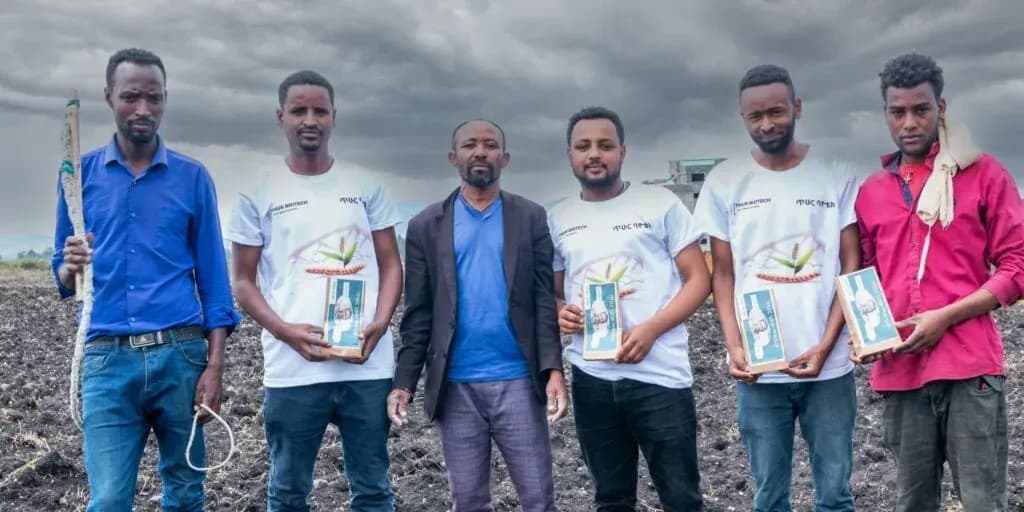
Thur Biotech Secures $172K USAID CATALYZE Grant
25 April 2024
Latest Stories
22 December 2025
𝗗𝗲𝘀𝗶𝗴𝗻𝗲𝗱 𝗳𝗼𝗿 𝗪𝗵𝗼𝗺? 𝗧𝗵𝗲 𝗠𝗶𝗿𝗮𝗴𝗲 𝗼𝗳 𝗪𝗼𝗺𝗲𝗻-𝗖𝗲𝗻𝘁𝗿𝗶𝗰 𝗗𝗶𝗴𝗶𝘁𝗮𝗹 𝗙𝗶𝗻𝗮𝗻𝗰𝗲 𝗶𝗻 𝗘𝘁𝗵𝗶𝗼𝗽𝗶𝗮 QA
By Chilen14 December 2025
From Campus Idea to Satellite TV: Ethiopia Gets Its First Home Shopping Channel QA test
By ChilenLatest Stories
𝗗𝗲𝘀𝗶𝗴𝗻𝗲𝗱 𝗳𝗼𝗿 𝗪𝗵𝗼𝗺? 𝗧𝗵𝗲 𝗠𝗶𝗿𝗮𝗴𝗲 𝗼𝗳 𝗪𝗼𝗺𝗲𝗻-𝗖𝗲𝗻𝘁𝗿𝗶𝗰 𝗗𝗶𝗴𝗶𝘁𝗮𝗹 𝗙𝗶𝗻𝗮𝗻𝗰𝗲 𝗶𝗻 𝗘𝘁𝗵𝗶𝗼𝗽𝗶𝗮 QA
22 December 2025
From Campus Idea to Satellite TV: Ethiopia Gets Its First Home Shopping Channel QA test
14 December 2025

𝗗𝗮𝘁𝗮 𝗦𝗼𝘃𝗲𝗿𝗲𝗶𝗴𝗻𝘁𝘆, 𝗧𝗲𝗰𝗵-𝗦𝗮𝘃𝘃𝘆 𝗖𝗶𝘃𝗶𝗹 𝗦𝗲𝗿𝘃𝗮𝗻𝘁𝘀 & 𝟭 𝗺𝗶𝗹𝗹𝗶𝗼𝗻 𝗜𝗧 𝗷𝗼𝗯𝘀: 𝗨𝗻𝗽𝗮𝗰𝗸𝗶𝗻𝗴 𝗘𝘁𝗵𝗶𝗼𝗽𝗶𝗮’𝘀 𝟮𝟬𝟯𝟬 𝗗𝗶𝗴𝗶𝘁𝗮𝗹 𝗥𝗼𝗮𝗱𝗺𝗮𝗽 on Qa strapi
11 December 2025
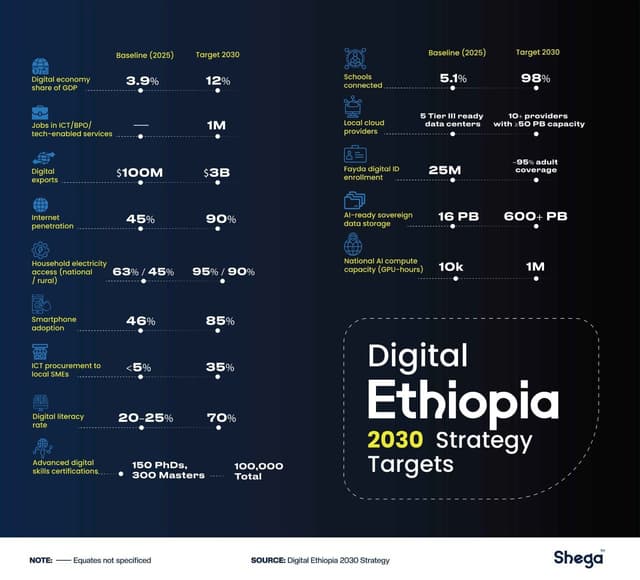
Africa 118 Lands GSMA Innovation Fund for Third Time
27 June 2024
Thur Biotech Secures $172K USAID CATALYZE Grant
25 April 2024