


As the world deluged by digital data, universities hailed on the change to produce analysts and engineers suited to this emerging phenomenon. The Warwick Q-centre was pioneered as one of the 19 quantitative centers affiliated to the UK’s league of most prestigious universities, according to the website, as a strategic response “to address UK’s national ‘deficit’ in quantitative methods”.
In this regard, even the most advanced universities are latecomers to the scene. The very origin of the discipline is traced outside academia. For instance, Chris Anderson, editor of the Wired Magazine was the earliest person to voice “The End Of Theory: The Data Deluge Makes the Scientific Method Obsolete”. Scientists were not convinced. Recently, the London-based Deep Minds is pioneering Artificial Intelligence applications that learn the same way scientists do to generate scientific hypothesis and knowledge. This will be a fundamental breakthrough.
In his provocative commentary, which is now practically indisputable in the field, Mr. Anderson argued correlation is useful and necessary than the traditional scientific systematic explanation. Scientists have come to realize big data is transforming not just the way we live and work but also how we think. Most of the IT engineers are entirely concerned about predicting any phenomenon with infinite number of variables without paying much attention to what causes what and how.
The technology industry at Silicon valley has wake up to the reality long before the universities and the global Big Data market is expected to reach $118.52 billion by 2022 from what has been 3.56 billion in 2015 growing at 26.0% annually. When it comes to information technology, R&D department of tech companies obviously attract the best and brightest graduates and staff than universities due to their six figure salaries.
From language to humanities, it has now become quite common to apply purely quantitative techniques that were exclusive to specific disciplines in the natural sciences. For instance, geography is one of the fields whose methods are entirely transformed by big data. Using satellite imagery, geographers relied on remotely sensed data for long whose access and analysis involved costs and knowledge that were extremely prohibitive.
With the rise of Crowdsourced geographic data, however, publicly available user-generated data has proved to be more useful in giving location-specific and situational data in real-time that is being used to tackle some of the world’s most pressing challenges including such as as disasters at costs relatively nearer to zero.
This opportunity was realized for the first time in 2010 when volunteers used volunteer generated OpenStreetMap data to map Haiti’s roads in two weeks.
Disaster managers used these maps to deliver disaster interventions. From time to time, as handheld devices that support GPS and high resolution cameras become cheaper and cheaper, the possibilities and application of such data have become bigger and bigger.
In addition to being used to optimize traffic and supply chain on a real-time basis in our day to day activities, startups are flourishing that use images caught by ordinary individuals to train machine learning algorithms that provide proper business services to people in remote places.
This led to the birth of new science called ‘citizen science’-to describe a phenomenon where ordinary people assisted by devices are able to accomplish some of the most critical tasks traditionally performed by seasoned scientists.
When I search Data Scientist on ethiojobs.net, Ethiopia’s biggest hiring platform, it returns zero results. I then tried Machine learning, the most frequently used job titles for those working in the field. The world is being flooded with technologies that use data to cut down costs by improving business practices and eliminate inefficiencies. Are we missing out on an opportunity?
In the 20th century, most of the developing world including most African countries adopted an import substitution strategy to catch up with nations that prospered in the industrial revolution. In the end, it was only a few Asian tiger economies and China who were able to position themselves through emulation of cutting edge manufacturing technology.
At this period, African countries are again trying to emulate China’s manufacturing growth based on cheap labor. That is not something to be entirely condoned. We could go some time before we live in a world where robots overtake all tasks and own guilds, farms and banks.
Regarding day to day business practices, however, everything is rapidly changing. The growth of big data has exceeded most of the early idealistic predictions made by global consulting firms such as McKinsey.
Share this post:
Team Shega
Partner with Shega
At Shega, we do more than tell stories. We help you make an impact. Our platforms, data, and expertise connect brands, organizations, and investors to the audiences and insights that matter.
- Shega Brand Studio: Strategy, media, and storytelling that drive results.
- Shega Media Advertising: Reach 2M+ engaged readers, listeners, and viewers every month.
- Shega Research & Advisory: Tailored studies and market insights built for action.
- Shega Insights: Explore Ethiopia's markets with our AI-powered intelligence platform.
Reach, engage, and grow with us.
Get in Touch

Related News




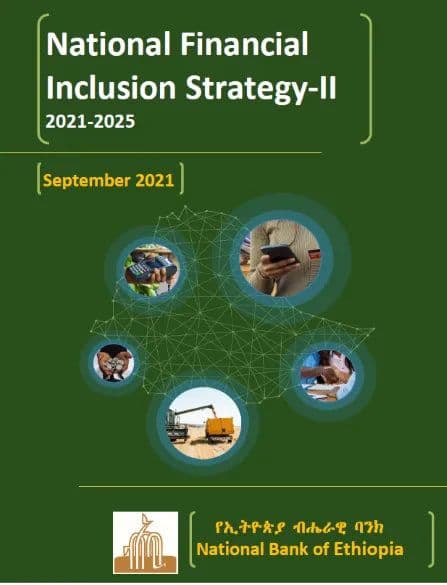
How to Think about Financial Inclusion in Ethiopia?
17 April 2024
Visa at the Doorsteps of Ethiopia’s Payment Ecosystem
06 September 2023
Latest Stories
22 December 2025
𝗗𝗲𝘀𝗶𝗴𝗻𝗲𝗱 𝗳𝗼𝗿 𝗪𝗵𝗼𝗺? 𝗧𝗵𝗲 𝗠𝗶𝗿𝗮𝗴𝗲 𝗼𝗳 𝗪𝗼𝗺𝗲𝗻-𝗖𝗲𝗻𝘁𝗿𝗶𝗰 𝗗𝗶𝗴𝗶𝘁𝗮𝗹 𝗙𝗶𝗻𝗮𝗻𝗰𝗲 𝗶𝗻 𝗘𝘁𝗵𝗶𝗼𝗽𝗶𝗮 QA
By Chilen14 December 2025
From Campus Idea to Satellite TV: Ethiopia Gets Its First Home Shopping Channel QA test
By ChilenLatest Stories
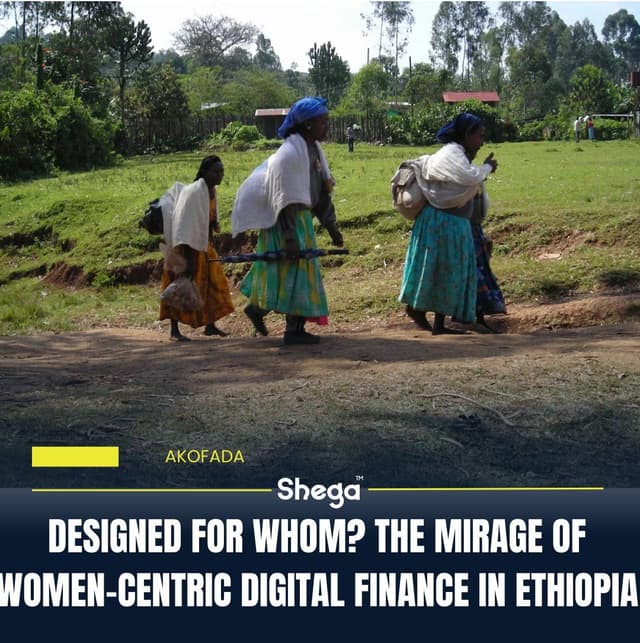
𝗗𝗲𝘀𝗶𝗴𝗻𝗲𝗱 𝗳𝗼𝗿 𝗪𝗵𝗼𝗺? 𝗧𝗵𝗲 𝗠𝗶𝗿𝗮𝗴𝗲 𝗼𝗳 𝗪𝗼𝗺𝗲𝗻-𝗖𝗲𝗻𝘁𝗿𝗶𝗰 𝗗𝗶𝗴𝗶𝘁𝗮𝗹 𝗙𝗶𝗻𝗮𝗻𝗰𝗲 𝗶𝗻 𝗘𝘁𝗵𝗶𝗼𝗽𝗶𝗮 QA
22 December 2025
From Campus Idea to Satellite TV: Ethiopia Gets Its First Home Shopping Channel QA test
14 December 2025

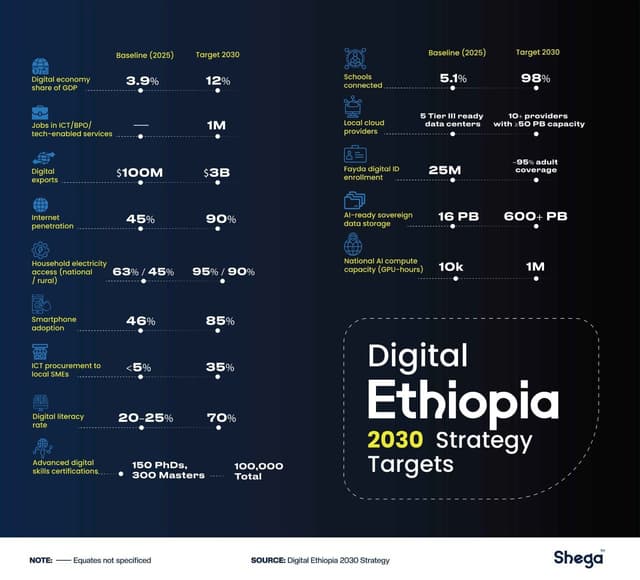
𝗗𝗮𝘁𝗮 𝗦𝗼𝘃𝗲𝗿𝗲𝗶𝗴𝗻𝘁𝘆, 𝗧𝗲𝗰𝗵-𝗦𝗮𝘃𝘃𝘆 𝗖𝗶𝘃𝗶𝗹 𝗦𝗲𝗿𝘃𝗮𝗻𝘁𝘀 & 𝟭 𝗺𝗶𝗹𝗹𝗶𝗼𝗻 𝗜𝗧 𝗷𝗼𝗯𝘀: 𝗨𝗻𝗽𝗮𝗰𝗸𝗶𝗻𝗴 𝗘𝘁𝗵𝗶𝗼𝗽𝗶𝗮’𝘀 𝟮𝟬𝟯𝟬 𝗗𝗶𝗴𝗶𝘁𝗮𝗹 𝗥𝗼𝗮𝗱𝗺𝗮𝗽 on Qa strapi
11 December 2025


Related News
How to Think about Financial Inclusion in Ethiopia?
17 April 2024
Visa at the Doorsteps of Ethiopia’s Payment Ecosystem
06 September 2023