Ad

Ad

Progress for group 0 ad
Michael Tomas Gebremariam
Addis Ababa, Ethiopia
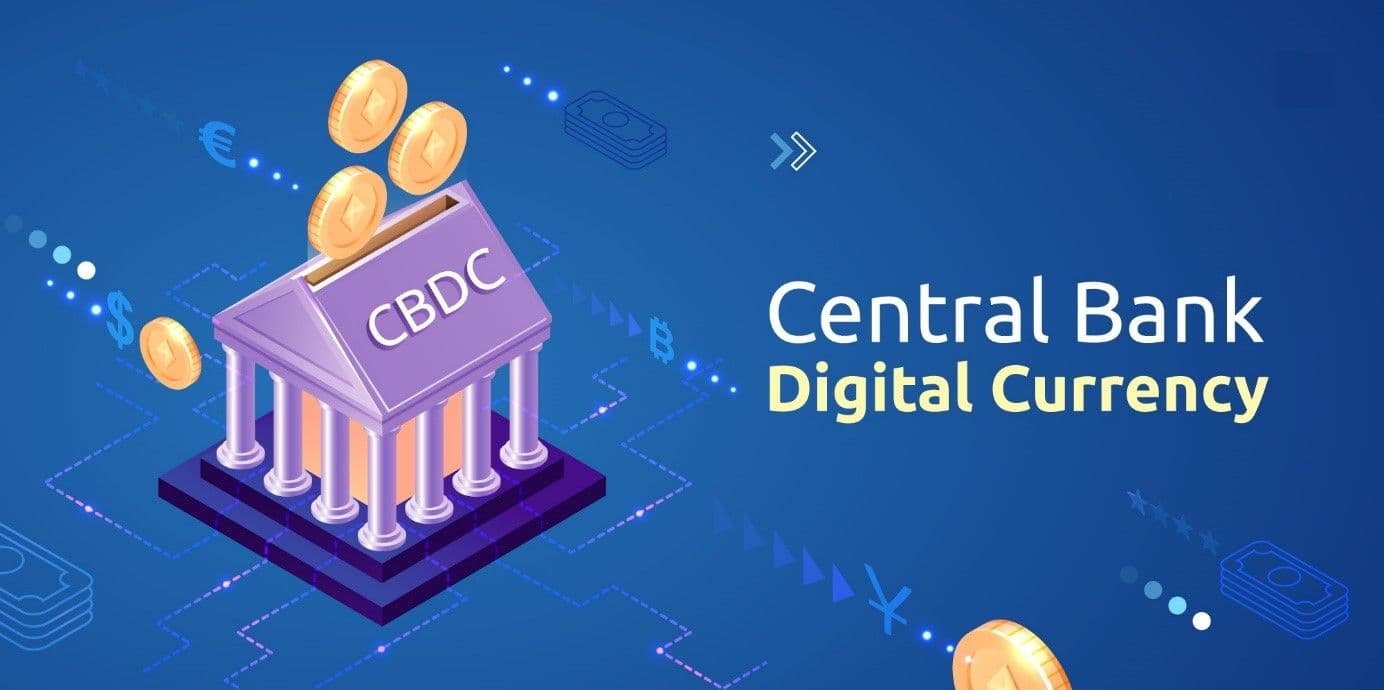
Throughout history, humans have used various mediums of exchange, ranging from commodities and gold to the current status quo of fiat money, to satisfy their need to transact goods and services. However, rapid technological advancement and increased digitization of the global economy have heralded a new era of digital money in the last decade. As a result, various types of digital currencies have emerged, including E-Money, Cryptocurrency, Stablecoin, and, more recently, Central Bank Digital Currency (CBDC).
CBDC is a new concept that has swept the world’s central banks. In the absence of a technical definition, CBDC can be defined as fiat money available only through digital channels. CDBC, like Fiat Money, is a currency solely issued by a country’s central bank and is directly liable to that central bank.
CBDCs come in two varieties: retail CBDCs, which are used to make the government’s digital currency accessible to the general public, and wholesale CBDCs, which are primarily available to financial institutions. In its technical paper on CBDCs, the Central Bank of Kenya lists several features that include ease of use, low transaction costs, convertibility, quick settlement, and a high level of security.
There have been numerous Retail CBDC projects around the world. The Bahamas’ Sand Dollar was the first CBDC to circulate around the world. The Central Bank of the Bahamas established the digital dollar to improve the payment system, increase financial inclusion, and reduce reliance on cash. Through the Sand Dollar, the Central Bank of the Bahamas aims to improve financial access for its citizens. Following the Sand Dollar, countries such as China, Turkey, and others have experimented with digital currencies.
There are numerous benefits and drawbacks to issuing Digital Birr in Ethiopia. Based on Ethiopia’s current economic and social situation, I believe CBDC can help Ethiopians primarily through cross-border payments and financial inclusion.
As the idea of Digital Birr is inherently digital, it is bound to share some traits with different modes of digital currency like E-Money, Cryptocurrency, and Stable Coin. What makes Digital Birr unique is the idea of the money being sovereign and directly minted by the central bank. In contrast, cryptocurrency is backed by a mathematical algorithm called blockchain, and private companies back stablecoin.
Stablecoins are usually pegged to the dollar, and as the case of Luna has shown unless the companies have a good level of assets behind them, they might be bound to crash. The case of Luna has highlighted the need for CBDC backed by the Central Bank.
The introduction of a digital Birr would facilitate and reduce the cost of cross-border payments for both wholesale and retail transactions. One disadvantage of the current system for remittances and cross-border payments is the high transaction fee, estimated to be around 8% of the transaction, which is far higher than the United Nations’ target of a 3% transaction fee by 2030.
Interoperability of digital birr with other currencies would be especially beneficial in multi-currency Central Bank Digital Currencies (m-CBDCs), which refer to agreements with other countries central banks to make digital currencies interoperable. I believe that this arrangement with neighboring countries, such as Kenya and Sudan, would enable us to achieve an integrated African economy by 2063 by facilitating seamless cross-border transactions and integrating the Ethiopian economy with the rest of the world.
Having an m-CBDC agreement with other countries would allow Ethiopians to spend their digital birr directly in agreed-upon countries by opening their CBDC wallets, without the need to convert to dollars (after all, the dollar is the implicit medium of exchange for international trade). As the m-CBDC agreement is backed by both countries’ central banks, it can be changed to the recipient country’s local CBDC without involving the dollar. This would boost bilateral trade and movement between the two countries, boosting economic development and creating job opportunities for Ethiopians.
Furthermore, signing an interoperability agreement with countries with a large diaspora population and high remittance values can allow Ethiopia to gain more value from remittances sent by Ethiopians living abroad. Wholesale CBDC interoperability will also make financial settlement among commercial banks operating in different countries easier, reducing wastage in transaction costs.
As observed by Sand Dollar of the Bahamas, CBDCs enable financial inclusion for people living in underserved and unserved places. CBDCs can use infrastructures like Fast Internet Connections and Digital IDs for service provision. Governments can use CBDCs to send welfare payments to citizens, facilitate Person-to-government (P2G) payments, and reduce corruption because transactions by CBDCs can be traced and are not completely anonymous.
The main disadvantage of CBDC would be if we used the retail model of CBDC, in which the central bank would directly provide digital money to the general population. This would entail the central bank creating a direct digital wallet. If many citizens transfer their balances from commercial banks to the Central Bank Wallet, the amount of credit a commercial bank could provide to its clients would be reduced. This could slow economic growth, especially in countries like Ethiopia, where the interest rate on commercial bank deposits is lower than the market inflation rate. Citizens may not be incentivized to keep their assets (mostly cash) in banks.
Despite the obvious benefits to its citizens, I do not believe Ethiopia is ready to issue a Digital Birr in the next 3-5 years for several reasons, including shifting resources to boost digitalization, increasing digital literacy, and having the infrastructure required for CBDC through fast internet connections and a Nation-Wide KYC system.
However, with the world changing rapidly and the inevitable rise of cryptocurrencies and stablecoins in the Ethiopian economy, the National Bank of Ethiopia should begin developing the expertise and knowledge behind the concept of CBDC and prepare for its eventual issuance. Numerous tasks must be completed while designing the infrastructure and operations for CBDC in the Ethiopian economy. Starting the discussion now will only result in action in the future.
Quick Links
#CBDCShare this post:
Michael Tomas Gebremariam
At Shega, we do more than tell stories. We help you make an impact. Our platforms, data, and expertise connect brands, organizations, and investors to the audiences and insights that matter.
Reach, engage, and grow with us.
Get in Touch
Major UN Forum on Internet Connectivity Commences in Addis Ababa
28 November 2022
Why the Ethiopian Economy Needs a National ID?
16 September 2022
Latest Stories
22 December 2025
𝗗𝗲𝘀𝗶𝗴𝗻𝗲𝗱 𝗳𝗼𝗿 𝗪𝗵𝗼𝗺? 𝗧𝗵𝗲 𝗠𝗶𝗿𝗮𝗴𝗲 𝗼𝗳 𝗪𝗼𝗺𝗲𝗻-𝗖𝗲𝗻𝘁𝗿𝗶𝗰 𝗗𝗶𝗴𝗶𝘁𝗮𝗹 𝗙𝗶𝗻𝗮𝗻𝗰𝗲 𝗶𝗻 𝗘𝘁𝗵𝗶𝗼𝗽𝗶𝗮 QA
By Chilen14 December 2025
From Campus Idea to Satellite TV: Ethiopia Gets Its First Home Shopping Channel QA test
By ChilenLatest Stories
𝗗𝗲𝘀𝗶𝗴𝗻𝗲𝗱 𝗳𝗼𝗿 𝗪𝗵𝗼𝗺? 𝗧𝗵𝗲 𝗠𝗶𝗿𝗮𝗴𝗲 𝗼𝗳 𝗪𝗼𝗺𝗲𝗻-𝗖𝗲𝗻𝘁𝗿𝗶𝗰 𝗗𝗶𝗴𝗶𝘁𝗮𝗹 𝗙𝗶𝗻𝗮𝗻𝗰𝗲 𝗶𝗻 𝗘𝘁𝗵𝗶𝗼𝗽𝗶𝗮 QA
22 December 2025
From Campus Idea to Satellite TV: Ethiopia Gets Its First Home Shopping Channel QA test
14 December 2025

𝗗𝗮𝘁𝗮 𝗦𝗼𝘃𝗲𝗿𝗲𝗶𝗴𝗻𝘁𝘆, 𝗧𝗲𝗰𝗵-𝗦𝗮𝘃𝘃𝘆 𝗖𝗶𝘃𝗶𝗹 𝗦𝗲𝗿𝘃𝗮𝗻𝘁𝘀 & 𝟭 𝗺𝗶𝗹𝗹𝗶𝗼𝗻 𝗜𝗧 𝗷𝗼𝗯𝘀: 𝗨𝗻𝗽𝗮𝗰𝗸𝗶𝗻𝗴 𝗘𝘁𝗵𝗶𝗼𝗽𝗶𝗮’𝘀 𝟮𝟬𝟯𝟬 𝗗𝗶𝗴𝗶𝘁𝗮𝗹 𝗥𝗼𝗮𝗱𝗺𝗮𝗽 on Qa strapi
11 December 2025
Major UN Forum on Internet Connectivity Commences in Addis Ababa
28 November 2022
Why the Ethiopian Economy Needs a National ID?
16 September 2022