Ad

Ad

Progress for group 0 ad
Etenat Awol
Addis Ababa, Ethiopia
For 75% (22 million) of menstruating-age women in Ethiopia, access to safe and affordable sanitary products remains a significant barrier. This lack of access, often due to high costs and social stigma, has a ripple effect, forcing women to miss school and withdraw from daily activities.
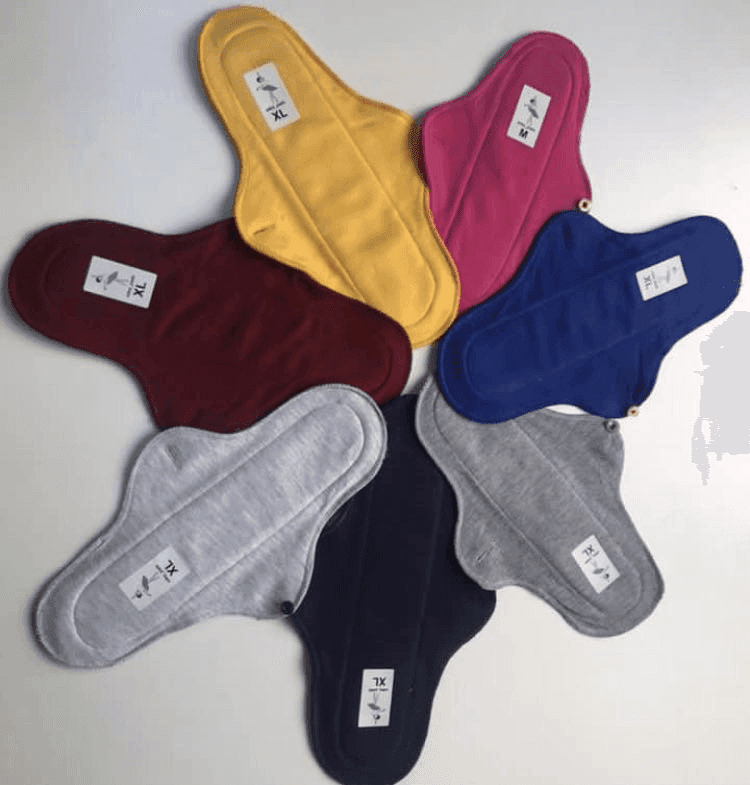
A wave of change is emerging through the efforts of innovative Ethiopian companies producing reusable menstrual pads. These pads offer a cost-effective, sustainable, and culturally sensitive solution, empowering women and girls to manage their periods with dignity and confidence, meet five of those innovative companies below!
Mariam Seba Products Factory (MSPF) was founded by Ethiopian American chemical engineer, Freweini Mebrahtu, Freweini Mebrahtu is CNN Hero of the Year for 2019 for her contribution to underprivileged African women in the area of menstrual hygiene management.
Founded in 2009 MSPF has reached over one million girls and brought a 23% decrease in school absenteeism.
This social-impact organization manufactures reusable sanitary pads for girls and women, many of whom do not have access to feminine hygiene products.
Adey is a female-led organization engaged in manufacturing reusable sanitary pads. They also work to educate people about periods and get these pads to women in remote areas of Ethiopia.
These reusable pads are hygienic and have multiple layers: such as A soft, breathable top layer, an absorbent core to hold liquid, and a leak-proof bottom layer to prevent accidents.
Adey offers three types of pads: Regular reusable pads, Pads for after childbirth, and Pads for bladder leaks.
By washing and drying the pads, you can use them many times.
Mela For Her is a social startup enterprise that transforms women’s and girls’ lives across Ethiopia by providing them with access to affordable and eco-friendly menstrual products, menstrual health education, and job opportunities.
They produce sustainable menstrual products that are affordable, comfortable, and reliable. Their products are hand-made.
Founded by Hanan Abdi, Han’s with Care seeks to dispel the taboo, myths, and misinformation surrounding menstruation by increasing girls’ school attendance and reducing the number of days they miss due to their periods. Han’s with Care works to distribute reusable sanitary pads and provide menstrual hygiene management instruction to girls in schools. Additionally, Han’s with Care donates 1% of its sales to homeless and street children in the community.
Han’s provides 100% cotton and breathable fabric with waterproof lining which helps reduce leakage according to their website.
Liyu is a reusable sanitary pad manufacturing company based in Addis Ababa, Ethiopia . They are a private manufacturing enterprise that focuses on creating a more sustainable and affordable menstrual hygiene option for women.
This woman-led enterprise produces locally made reusable Menstrual Hygiene Management (MHM) products to address the critical needs of women and girls during menstrual periods. It also provides an alternative option with unique benefits like faster and much less expensive local procurement and transportation compared to international options, saving time and money for its customer organizations.
Share this post:
Etenat Awol
At Shega, we do more than tell stories. We help you make an impact. Our platforms, data, and expertise connect brands, organizations, and investors to the audiences and insights that matter.
Reach, engage, and grow with us.
Get in Touch
Healthcare Startup Debuts Prescription Platform
03 March 2025
Can AliExpress Unlock Ethiopia’s E-Commerce Potential?
25 August 2024

Ethiopia’s Delicate Dance with Personal Data Protection
24 August 2024
Ethiopian Tradition Sparks Insurance Revolution
17 August 2024
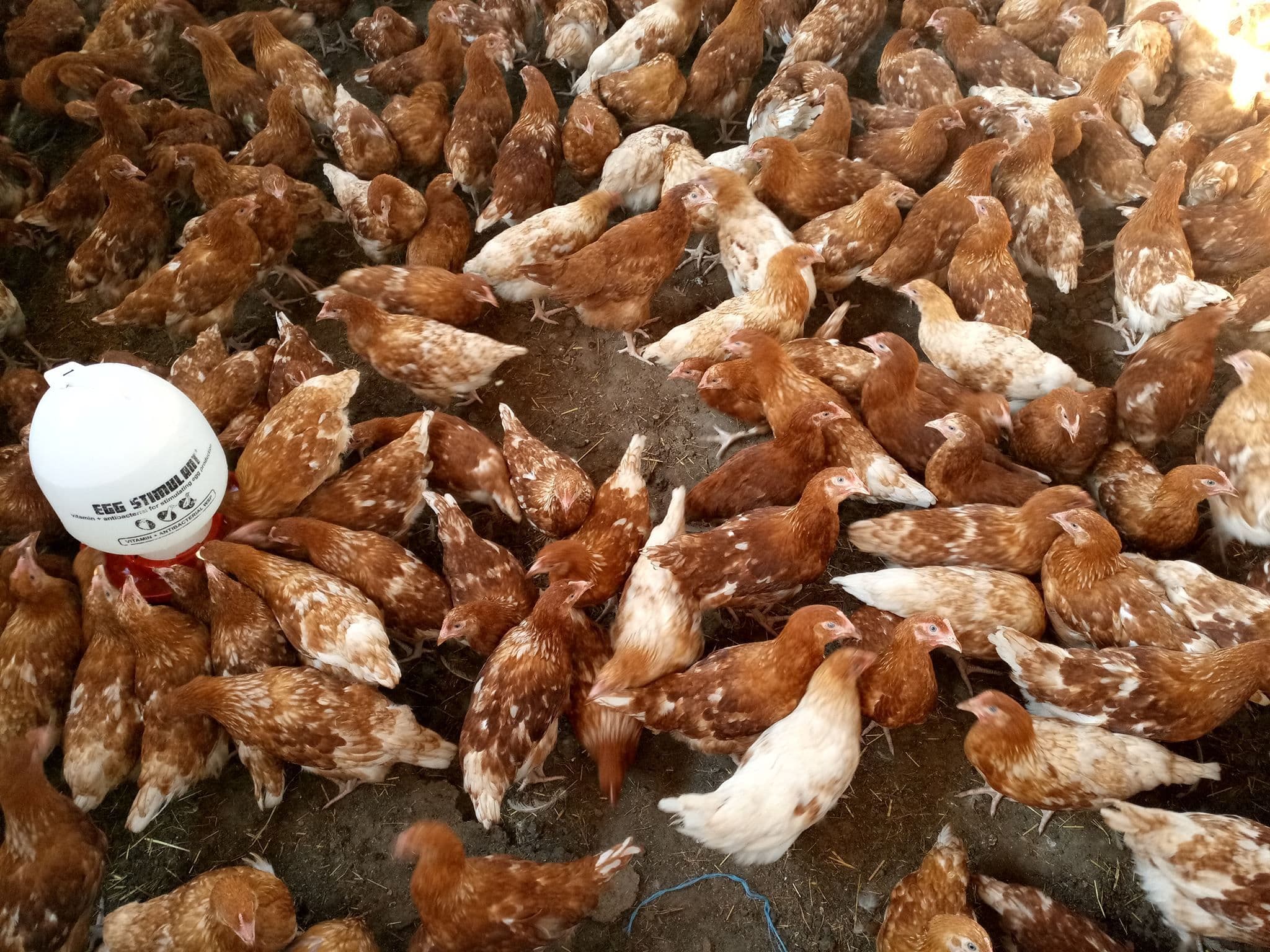
Addis Ababa-Based Agri-Tech Startup Takes on Poultry
15 August 2024
Latest Stories
22 December 2025
𝗗𝗲𝘀𝗶𝗴𝗻𝗲𝗱 𝗳𝗼𝗿 𝗪𝗵𝗼𝗺? 𝗧𝗵𝗲 𝗠𝗶𝗿𝗮𝗴𝗲 𝗼𝗳 𝗪𝗼𝗺𝗲𝗻-𝗖𝗲𝗻𝘁𝗿𝗶𝗰 𝗗𝗶𝗴𝗶𝘁𝗮𝗹 𝗙𝗶𝗻𝗮𝗻𝗰𝗲 𝗶𝗻 𝗘𝘁𝗵𝗶𝗼𝗽𝗶𝗮 QA
By Chilen14 December 2025
From Campus Idea to Satellite TV: Ethiopia Gets Its First Home Shopping Channel QA test
By ChilenLatest Stories
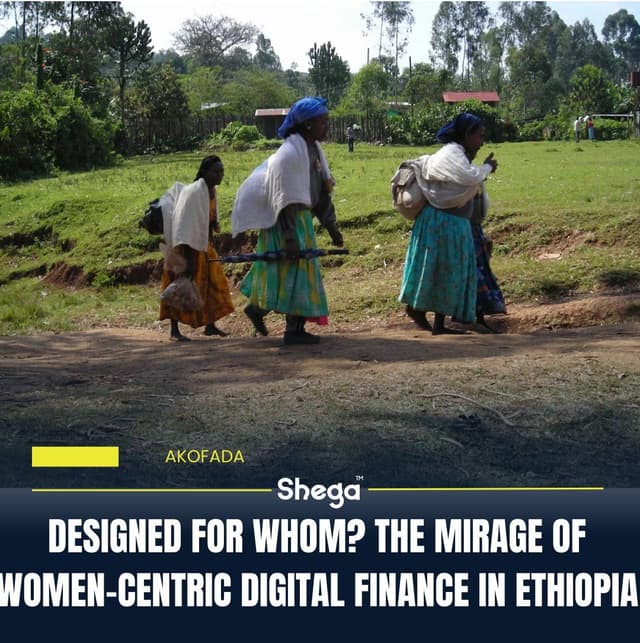
𝗗𝗲𝘀𝗶𝗴𝗻𝗲𝗱 𝗳𝗼𝗿 𝗪𝗵𝗼𝗺? 𝗧𝗵𝗲 𝗠𝗶𝗿𝗮𝗴𝗲 𝗼𝗳 𝗪𝗼𝗺𝗲𝗻-𝗖𝗲𝗻𝘁𝗿𝗶𝗰 𝗗𝗶𝗴𝗶𝘁𝗮𝗹 𝗙𝗶𝗻𝗮𝗻𝗰𝗲 𝗶𝗻 𝗘𝘁𝗵𝗶𝗼𝗽𝗶𝗮 QA
22 December 2025
From Campus Idea to Satellite TV: Ethiopia Gets Its First Home Shopping Channel QA test
14 December 2025

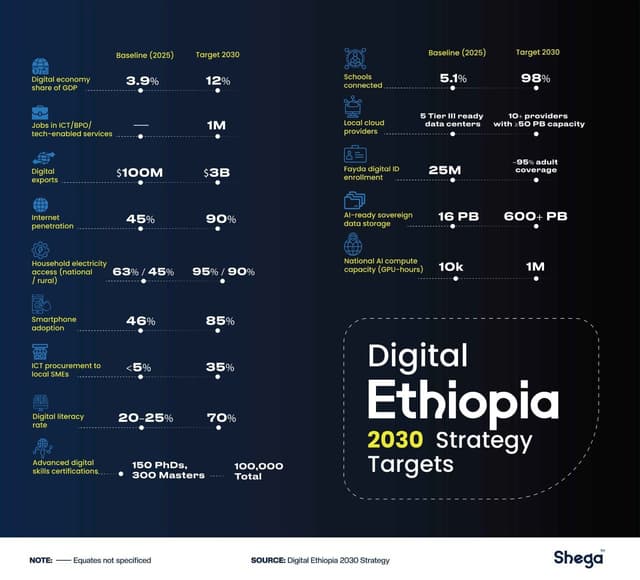
𝗗𝗮𝘁𝗮 𝗦𝗼𝘃𝗲𝗿𝗲𝗶𝗴𝗻𝘁𝘆, 𝗧𝗲𝗰𝗵-𝗦𝗮𝘃𝘃𝘆 𝗖𝗶𝘃𝗶𝗹 𝗦𝗲𝗿𝘃𝗮𝗻𝘁𝘀 & 𝟭 𝗺𝗶𝗹𝗹𝗶𝗼𝗻 𝗜𝗧 𝗷𝗼𝗯𝘀: 𝗨𝗻𝗽𝗮𝗰𝗸𝗶𝗻𝗴 𝗘𝘁𝗵𝗶𝗼𝗽𝗶𝗮’𝘀 𝟮𝟬𝟯𝟬 𝗗𝗶𝗴𝗶𝘁𝗮𝗹 𝗥𝗼𝗮𝗱𝗺𝗮𝗽 on Qa strapi
11 December 2025
Healthcare Startup Debuts Prescription Platform
03 March 2025
Can AliExpress Unlock Ethiopia’s E-Commerce Potential?
25 August 2024
Ethiopia’s Delicate Dance with Personal Data Protection
24 August 2024
Ethiopian Tradition Sparks Insurance Revolution
17 August 2024
Addis Ababa-Based Agri-Tech Startup Takes on Poultry
15 August 2024