Ad

Ad

Progress for group 0 ad
Rebecca Tewodros
Addis Ababa, Ethiopia
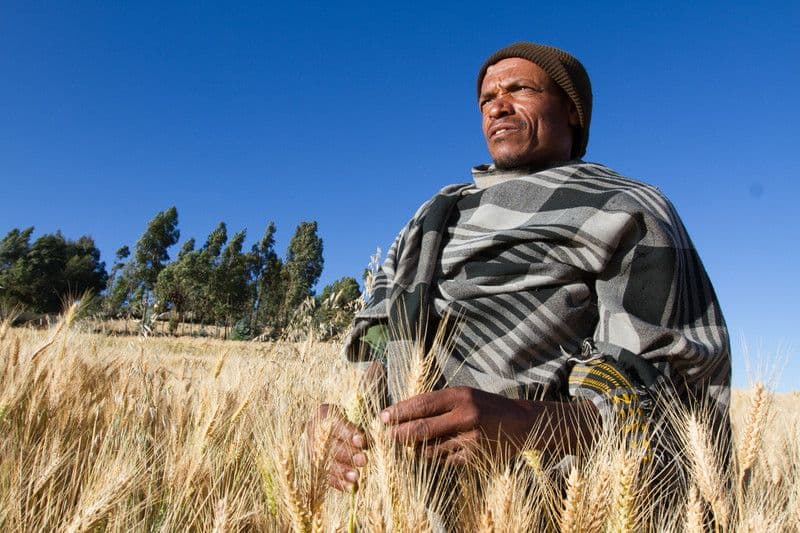
Kifiya Financial Technology, along with Oromia Insurance Company and Agriculture Transformation Insititute (ATI), have scaled up their micro-insurance product that protects farmers from shocks caused by drought.
The product, Vegetation Index Crop Insurance (VICI), first launched in 2016, extended its program for two more years after winning a 2-million euro co-funding grant from the InsuResilience Solutions Fund (ISF).
Scaling up the VICI project will provide micro-insurance to 50,000 smallholder farmers in Oromia and Southern National and Nationalities Regional (SNNP) States to enhance their climate resilience.
For many farmers, especially smallholder farmers in rainfed systems, their exposure to weather-related risks like drought is increasing due to climate change.
VICI offers a basic safety net to protect them against drought using computerized geographical data for an innovative agricultural insurance scheme.
VICI is a form of drought insurance that is satellite-based and uses the Normalized Difference Vegetation Index (NDVI), an index that measures the greenness and the density of the vegetation captured in a satellite image.
The level of greenness is calculated every ten days through remote sensing for the entire period the insurance stands.
Every time a farmer signs up for the micro-insurance, their land is registered using longitude and latitude and is given a code that helps Kifiya track its vegetation.
By combining this data with other information, such as the rainfall rate, VICI uses a formula to compute the aggregate payout the farmer will receive when droughts happen.
VICI which plans on insuring cereals, especially wheat, teff, maize, barley, and sorghum, provides farmers with a 50% subsidy on premium payments. Farmers’ pay will be considered 50 percent of the insurance, and the project will match the same amount.
“If the farmer were to pay 300 birr, the insurance would be considered as a 600-birr insurance, and we would cover the remaining 300,” says Megerssa Miressa, director of micro-insurance program at Kifiya Financial Technology.
When droughts happen, farmers will be entitled to insurance proceeds, with a maximum payout of the premium payment plus a 15pc add-on. (Premium divided by 0.15 )
In VICI, which brings many players together, Kifiya is the InsurTech provider and project leader, Oromia Insurance Company is the risk taker, and ATI is the public partner. Meanwhile, the University of Twente in the Netherlands provides the satellite images to Kifiya.
In the past, VICI has been implemented in Tigray, Oromia, Amhara, and SNNPR, working with Ethiopian Insurance Company and Oromia Insurance Company to insure farmers.
Since 2016, over 16,000 farmers have been insured through this program, and more than 6,000 have received a payout, totaling 2.5 million birr in insurance payouts.
To scale the product, the partnership signed an agreement with InsuResilience Solutions Fund (ISF), which promotes the development of innovative and sustainable climate risk insurance products in developing and emerging countries.
ISF which is financed by Germany’s KfW Development Bank is co-funding the product development and implementation of the solution.
Kifiya is also working on a platform where farmers can register through a mobile app and the data is uploaded to a cloud to which the insurance companies have access. Through the app, VICI can make payouts to farmers, or the insurance company can transfer money directly to farmers’ bank accounts.
In addition, the cloud micro-insurance platform supports insurance companies in digitally managing insurance policies and claims, helping to reduce operational administration costs.
To reach the farmers, Kifiya plans on establishing 500 agents who will register the farmers and accept premiums through mobile devices with an application provided to them through the project.
They also plan on hiring 500 insurance promoters who will provide information and educate smallholders about the insurance options available.
Smallholder farms indirectly support about 70 percent of the population and contribute to more than 40 percent of the country’s GDP.
Frequent droughts in Ethiopia, caused by climate change, have been leading to massive food insecurities. According to the UNHCR Ethiopia is currently experiencing one of the most severe La Niña-induced droughts in the last forty years following four consecutive failed rainy seasons since late 2020.
Quick Links
#KifiyaShare this post:
Rebecca Tewodros
At Shega, we do more than tell stories. We help you make an impact. Our platforms, data, and expertise connect brands, organizations, and investors to the audiences and insights that matter.
Reach, engage, and grow with us.
Get in Touch
Besew Online Debuts as a Platform for Transparent Hiring in Ethiopia
17 December 2025

How a Holiday Hassle Spawned a Thriving Culinary Business
24 November 2024
Latest Stories
22 December 2025
𝗗𝗲𝘀𝗶𝗴𝗻𝗲𝗱 𝗳𝗼𝗿 𝗪𝗵𝗼𝗺? 𝗧𝗵𝗲 𝗠𝗶𝗿𝗮𝗴𝗲 𝗼𝗳 𝗪𝗼𝗺𝗲𝗻-𝗖𝗲𝗻𝘁𝗿𝗶𝗰 𝗗𝗶𝗴𝗶𝘁𝗮𝗹 𝗙𝗶𝗻𝗮𝗻𝗰𝗲 𝗶𝗻 𝗘𝘁𝗵𝗶𝗼𝗽𝗶𝗮 QA
By Chilen14 December 2025
From Campus Idea to Satellite TV: Ethiopia Gets Its First Home Shopping Channel QA test
By ChilenLatest Stories
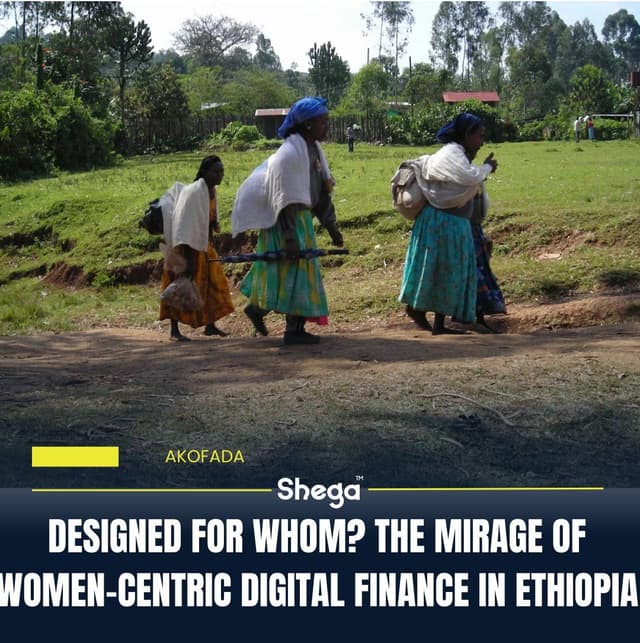
𝗗𝗲𝘀𝗶𝗴𝗻𝗲𝗱 𝗳𝗼𝗿 𝗪𝗵𝗼𝗺? 𝗧𝗵𝗲 𝗠𝗶𝗿𝗮𝗴𝗲 𝗼𝗳 𝗪𝗼𝗺𝗲𝗻-𝗖𝗲𝗻𝘁𝗿𝗶𝗰 𝗗𝗶𝗴𝗶𝘁𝗮𝗹 𝗙𝗶𝗻𝗮𝗻𝗰𝗲 𝗶𝗻 𝗘𝘁𝗵𝗶𝗼𝗽𝗶𝗮 QA
22 December 2025
From Campus Idea to Satellite TV: Ethiopia Gets Its First Home Shopping Channel QA test
14 December 2025

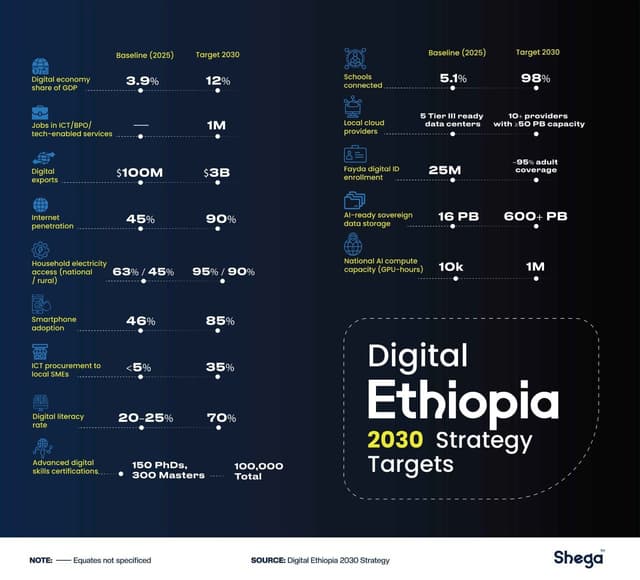
𝗗𝗮𝘁𝗮 𝗦𝗼𝘃𝗲𝗿𝗲𝗶𝗴𝗻𝘁𝘆, 𝗧𝗲𝗰𝗵-𝗦𝗮𝘃𝘃𝘆 𝗖𝗶𝘃𝗶𝗹 𝗦𝗲𝗿𝘃𝗮𝗻𝘁𝘀 & 𝟭 𝗺𝗶𝗹𝗹𝗶𝗼𝗻 𝗜𝗧 𝗷𝗼𝗯𝘀: 𝗨𝗻𝗽𝗮𝗰𝗸𝗶𝗻𝗴 𝗘𝘁𝗵𝗶𝗼𝗽𝗶𝗮’𝘀 𝟮𝟬𝟯𝟬 𝗗𝗶𝗴𝗶𝘁𝗮𝗹 𝗥𝗼𝗮𝗱𝗺𝗮𝗽 on Qa strapi
11 December 2025
Besew Online Debuts as a Platform for Transparent Hiring in Ethiopia
17 December 2025
How a Holiday Hassle Spawned a Thriving Culinary Business
24 November 2024