Ad

Ad

Progress for group 0 ad

Team Shega
Addis Ababa, Ethiopia
Mr. Terry HE, President of Huawei Northern Africa, reflects on various topics including the deployment of Huawei innovative RuralStar solution in Ethiopia and how the region significantly reduced the cost of building and deploying Telecommunication networks in rural areas.
He also talked about the digital potential of the region, the development contribution Huawei is making and the efforts being made in cultivating the ICT skill and talent.
The pandemic crisis has profoundly changed the priorities in the agendas of decision-makers, particularly in terms of investment in ICTs. Do you think this paradigm shift will help accelerate the development of the digital economy on the African continent?
The Covid-19 pandemic has undeniably accelerated the digital transformation in Africa, even if this transformation was already underway. Africa is a deeply connected continent, where the digital culture is already well established, particularly among younger generations. According to the GSMA, sub-Saharan Africa has an estimated 456 million mobile subscribers, a penetration rate of 44%. This figure is constantly evolving.
Both the public and private sectors in most countries of the continent have thus realized that the digital transition is an imperative and an absolute necessity in the face of the health crisis, enabling them to better understand the future and its challenges.
As a result, we are seeing a trend towards accelerated digitalisation of certain industries, in addition to the usual ICT sectors. Digital innovations are affecting and transforming sectors such as health, transport, energy, finance, agriculture, and tourism. In agriculture, for example, the World Bank estimates that with adequate transformation of the sector, the agro-industry should be worth $1 trillion by 2030.
According to the CTA (Technical Centre for Agricultural Cooperation), digital solutions are expected to represent a $14 billion market, with an estimated 200 million African farmers likely to adopt digital solutions by 2030.
The development of the digital economy will therefore offer more opportunities on the continent in terms of job creation and economic growth.
Overall, how is the Huawei Group contributing to the development of the continent’s digital economy?
As a global leader in providing information and communications technology (ICT) solutions and infrastructure, Huawei’s vision is to bring digital technologies to every person, home and organisation. We hope to see this vision of a fully connected and intelligent world become a reality in Africa as well.
Together with our partners, Huawei provides telecom operators with innovative, state-of-the-art, secure, and reliable network products and solutions to accelerate the development of the digital economy in the countries of the region.
By strengthening our infrastructure, we are helping to bridge the digital divide in remote areas of the continent. For example, we have deployed our innovative RuralStar solution in DRC, Ethiopia, Guinea, and Cameroon, significantly reducing the cost of building and deploying the network in rural areas and connecting more than 1,000 villages and over 2 million people in the Huawei Northern Africa region.
These products and services are also offered to governments and businesses, with e-government solutions being developed in several African countries.
Today, Africa is the largest free trade area in the world, a market of 1.2 billion people, a growth recovery in 2021 of around 3.4% (AfDB) and half of its population will be under 25 years old in 2050.
The challenges are huge, but so are the opportunities, and everything suggests that the continent’s potential will enable it to be the leading continent of the 21st century: abundance of renewable energies, an economic fabric made up of VSE/SMEs that are increasingly resilient, and a young generation that is increasingly attracted to entrepreneurship (72%), as Jean-Michel Severino and Jérémy Hajdenberg, co-authors of the book Entreprenante Afrique, point out.
To promote digital education among this young generation, Huawei has trained more than 37,000 people in the Northern Africa region in recent years through the Huawei ICT Academy programme alone.
In the coming years, we will continue to address the digital needs of each country through a series of initiatives such as Huawei ICT Academy, ICT Competition, Seeds for the Future and country cooperation programmes such as DigiTruck.
We plan to train 150,000 people over the next five years with a range of initiatives that match each country’s digital strategies, to encourage young Africans to take advantage of the enormous opportunities that digital offers to support Africa’s economic growth and development.
Northern Africa is the most connected region on the continent with mobile penetration at around 70% and 4G coverage at 83% by 2020. How do you see the digital potential of this sub-region over the next five years?
Despite the impact of the Covid-19 pandemic on this region, Northern Africa is a powerhouse for the continent in terms of connectivity. As you pointed out, you have the most connected countries in Africa, with Algeria and Tunisia having the highest mobile phone penetration rates, and Tunisia and Morocco having the best 4G coverage.
In terms of training, the region is also a goldmine in terms of digital talent. It is estima
Share this post:
Team Shega
At Shega, we do more than tell stories. We help you make an impact. Our platforms, data, and expertise connect brands, organizations, and investors to the audiences and insights that matter.
Reach, engage, and grow with us.
Get in Touch
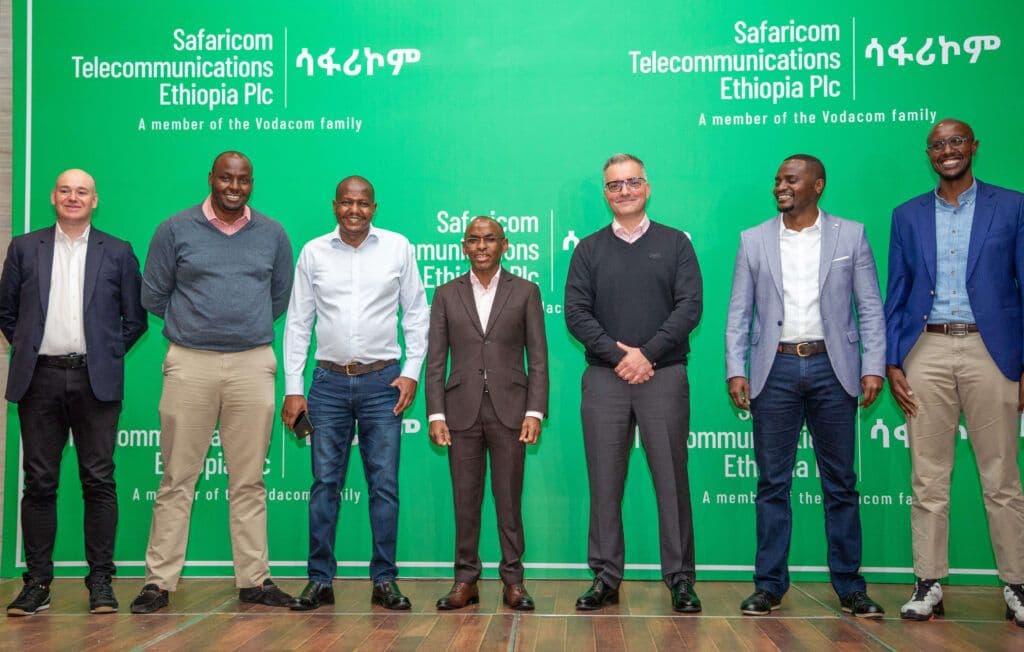
Meet the Executive Team of Safaricom Ethiopiaaabb 45454
06 September 2021
Safaricom Ethiopia Gears Up for Commercial Launch
03 September 2021

Summary : Ethiopia Telecommunication License Bid
01 May 2021
Latest Stories
22 December 2025
𝗗𝗲𝘀𝗶𝗴𝗻𝗲𝗱 𝗳𝗼𝗿 𝗪𝗵𝗼𝗺? 𝗧𝗵𝗲 𝗠𝗶𝗿𝗮𝗴𝗲 𝗼𝗳 𝗪𝗼𝗺𝗲𝗻-𝗖𝗲𝗻𝘁𝗿𝗶𝗰 𝗗𝗶𝗴𝗶𝘁𝗮𝗹 𝗙𝗶𝗻𝗮𝗻𝗰𝗲 𝗶𝗻 𝗘𝘁𝗵𝗶𝗼𝗽𝗶𝗮 QA
By Chilen14 December 2025
From Campus Idea to Satellite TV: Ethiopia Gets Its First Home Shopping Channel QA test
By ChilenLatest Stories
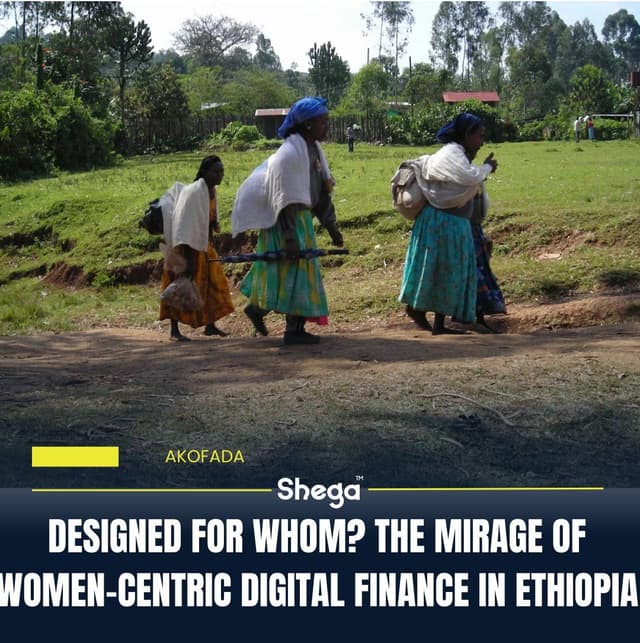
𝗗𝗲𝘀𝗶𝗴𝗻𝗲𝗱 𝗳𝗼𝗿 𝗪𝗵𝗼𝗺? 𝗧𝗵𝗲 𝗠𝗶𝗿𝗮𝗴𝗲 𝗼𝗳 𝗪𝗼𝗺𝗲𝗻-𝗖𝗲𝗻𝘁𝗿𝗶𝗰 𝗗𝗶𝗴𝗶𝘁𝗮𝗹 𝗙𝗶𝗻𝗮𝗻𝗰𝗲 𝗶𝗻 𝗘𝘁𝗵𝗶𝗼𝗽𝗶𝗮 QA
22 December 2025
From Campus Idea to Satellite TV: Ethiopia Gets Its First Home Shopping Channel QA test
14 December 2025

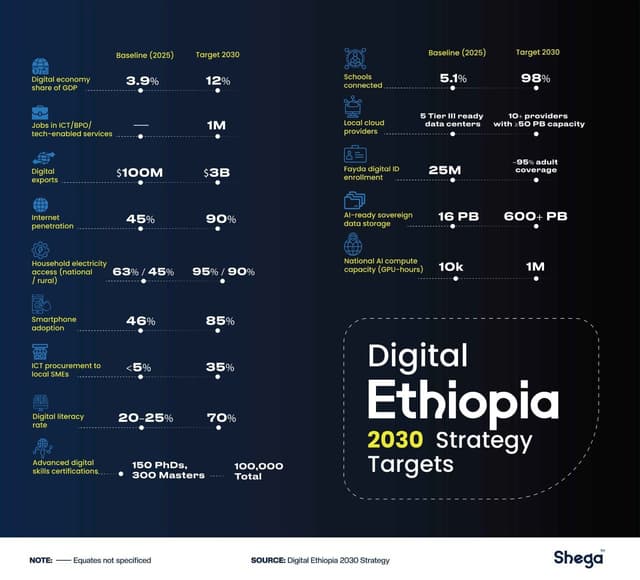
𝗗𝗮𝘁𝗮 𝗦𝗼𝘃𝗲𝗿𝗲𝗶𝗴𝗻𝘁𝘆, 𝗧𝗲𝗰𝗵-𝗦𝗮𝘃𝘃𝘆 𝗖𝗶𝘃𝗶𝗹 𝗦𝗲𝗿𝘃𝗮𝗻𝘁𝘀 & 𝟭 𝗺𝗶𝗹𝗹𝗶𝗼𝗻 𝗜𝗧 𝗷𝗼𝗯𝘀: 𝗨𝗻𝗽𝗮𝗰𝗸𝗶𝗻𝗴 𝗘𝘁𝗵𝗶𝗼𝗽𝗶𝗮’𝘀 𝟮𝟬𝟯𝟬 𝗗𝗶𝗴𝗶𝘁𝗮𝗹 𝗥𝗼𝗮𝗱𝗺𝗮𝗽 on Qa strapi
11 December 2025
Meet the Executive Team of Safaricom Ethiopiaaabb 45454
06 September 2021
Safaricom Ethiopia Gears Up for Commercial Launch
03 September 2021
Summary : Ethiopia Telecommunication License Bid
01 May 2021