Ad

Ad

Progress for group 0 ad

Kaleab Girma
Addis Ababa, Ethiopia
Long lines of cars at gas stations are nothing new to Addis. In the past, they were attributed to various factors, including fuel shortages and price adjustments made by the state at the end of certain months in response to global fuel prices and exchange rates.
As gas stations anticipated a potential price increase in the following month, they held onto whatever remaining fuel they had in stock. On the other hand, drivers felt a sense of urgency, fearing price hikes, which caused them to rush to the stations and fill up their tanks at the current price.
This week too, Addis witnessed another long line of cars at gas stations, but this time for a different reason.
The Ethiopian government has enforced strict electronic payment methods at gas stations in the capital, effective from April 24, 2023.
In the past nine months, public transport vehicles under the fuel subsidy program have been settling their payments through telebirr, transacting more than 30 billion birr. This was a success in the eyes of the officials.
According to the Ethiopian Petroleum and Energy Authority, the government body that is responsible for overseeing the country’s petroleum and energy sectors, the move toward cashless transactions is part of the nation’s efforts to modernize its economy.
The government has also emphasized the importance of technology in ensuring traceability, preventing traders from cheating on taxes.
But the decision to go fully cashless came abruptly. When the state announced that the fuel subsidy program for public transport vehicles would be processed through telebirr, it gave a one-month notice, expecting approximately a quarter of a million vehicles to enroll in the subsidy program.
However, Addis Ababa, which is home to 60 percent of all vehicles in the country, was given only an 18-day notice before the strict implementation of cashless transactions at gas stations for all vehicles.
In the days following the announcement, one thing remained unclear: which electronic payment methods were accepted for the payments. Officials stuck to the general term “electronic payment,” leaving it open to interpretation. However, even from the public’s perspective, one payment method stood out as the preferred choice: telebirr.
The government’s preference for telebirr, a protectionist tendency that has previously benefited the state-owned Commercial Bank of Ethiopia, was hardly a secret. Numerous government institutions that provide services to the public have adopted telebirr as their preferred payment method, including the Federal Document Authentication & Registration Service and the Immigration and Citizenship Service (ICS).
After the initial announcement, officials from the Federal Fuel String Committee held multiple discussions with stakeholders, while Ethio Telecom officials were also present.
But, behind what was publicly shared, sources close to the case revealed an even more serious push for telebirr.
“Officials from the Ministry of Transport & Logistics, during a meeting with oil distributors in the country, stated that telebirr would be the only permitted electronic payment option and directed the distributors to pass this information to the respective fuel stations under them,” said a source who spoke with Shega.
The source, who talked on the condition of anonymity, said that the distributors found this unacceptable, as they had long-standing relationships with banks and had already issued fuel loyalty programs and cards. This led to a heated debate over the matter, which ultimately concluded with the decision to allow all banks to provide electronic payment methods for fuel transactions, the source added.
Shega was unable to obtain a comment from the Ministry of Transport & Logistics before the publication of this article. However, another source within the financial sector told Shega that fuel payment is a unique issue compared to other transactions.
“The Ethiopian government still subsidizes fuel to a certain degree. It would not be wild thought for the government to prefer fuel sales go through government-owned channels,” the source told Shega.
When the implementation began on April 24, instead of a seamless experience, gas stations in Addis Ababa witnessed chaotic scenes. Cars waited in long queues for hours at stations across the capital.
“I had to wait for over three hours to refuel my car,” a ride-hailing driver told Shega. Issues like insufficient balances in telebirr accounts or having a VPN turned on were simple problems that further complicated the payment process.
Customers have reported problems such as slow transaction times, challenges with confirming purchases, and a low digital literacy rate contributing to delays in the refueling process. This development has sparked a variety of reactions and discussions among customers, officials, and experts.
While some believe that transitioning to digital payments is necessary, many have criticized the rollout process. The situation has also raised questions about the government’s approach to implementing policies and programs, as well as their potential impact on businesses and the public.
Some individuals have suggested solutions like simulations, comprehensive testing, and phased launches, while others have emphasized the importance of education and patience in bridging the digital divide.
telebirr, Nedaj, CBE Birr, and Coopay-Ebirr are the digital payment options drivers can currently use to pay for fuel. Shega has also learned that fintech startups have requested to be included on the list.
The state remains committed to going cashless and states that the situation will improve as more drivers become accustomed to it. A nationwide rollout of the system is expected to be implemented on July 8, 2023.
Share this post:
Kaleab Girma
At Shega, we do more than tell stories. We help you make an impact. Our platforms, data, and expertise connect brands, organizations, and investors to the audiences and insights that matter.
Reach, engage, and grow with us.
Get in Touch
Healthcare Startup Debuts Prescription Platform
03 March 2025
Can AliExpress Unlock Ethiopia’s E-Commerce Potential?
25 August 2024

Ethiopia’s Delicate Dance with Personal Data Protection
24 August 2024
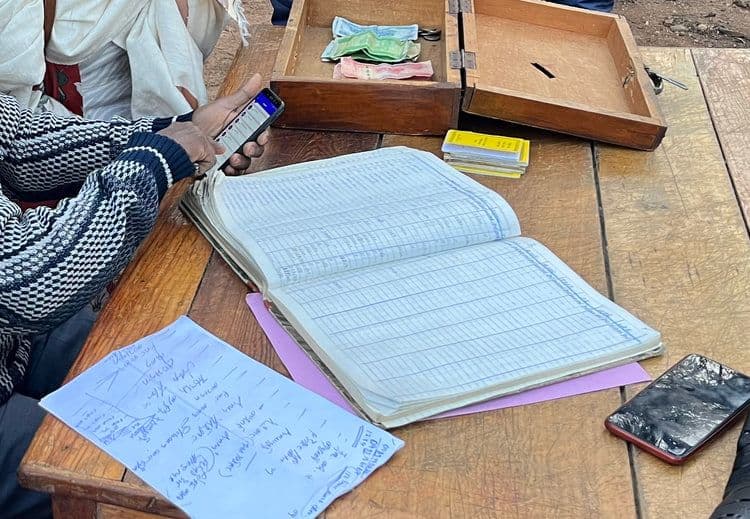
Ethiopian Tradition Sparks Insurance Revolution
17 August 2024

Addis Ababa-Based Agri-Tech Startup Takes on Poultry
15 August 2024
Latest Stories
22 December 2025
𝗗𝗲𝘀𝗶𝗴𝗻𝗲𝗱 𝗳𝗼𝗿 𝗪𝗵𝗼𝗺? 𝗧𝗵𝗲 𝗠𝗶𝗿𝗮𝗴𝗲 𝗼𝗳 𝗪𝗼𝗺𝗲𝗻-𝗖𝗲𝗻𝘁𝗿𝗶𝗰 𝗗𝗶𝗴𝗶𝘁𝗮𝗹 𝗙𝗶𝗻𝗮𝗻𝗰𝗲 𝗶𝗻 𝗘𝘁𝗵𝗶𝗼𝗽𝗶𝗮 QA
By Chilen14 December 2025
From Campus Idea to Satellite TV: Ethiopia Gets Its First Home Shopping Channel QA test
By ChilenLatest Stories
𝗗𝗲𝘀𝗶𝗴𝗻𝗲𝗱 𝗳𝗼𝗿 𝗪𝗵𝗼𝗺? 𝗧𝗵𝗲 𝗠𝗶𝗿𝗮𝗴𝗲 𝗼𝗳 𝗪𝗼𝗺𝗲𝗻-𝗖𝗲𝗻𝘁𝗿𝗶𝗰 𝗗𝗶𝗴𝗶𝘁𝗮𝗹 𝗙𝗶𝗻𝗮𝗻𝗰𝗲 𝗶𝗻 𝗘𝘁𝗵𝗶𝗼𝗽𝗶𝗮 QA
22 December 2025
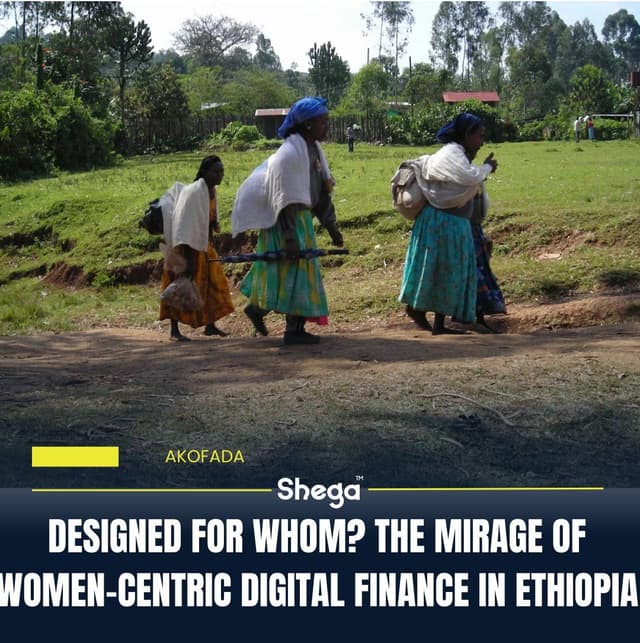
From Campus Idea to Satellite TV: Ethiopia Gets Its First Home Shopping Channel QA test
14 December 2025

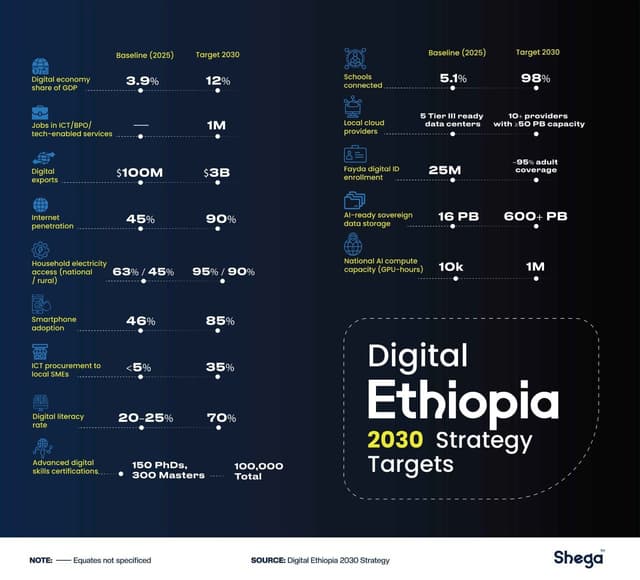
𝗗𝗮𝘁𝗮 𝗦𝗼𝘃𝗲𝗿𝗲𝗶𝗴𝗻𝘁𝘆, 𝗧𝗲𝗰𝗵-𝗦𝗮𝘃𝘃𝘆 𝗖𝗶𝘃𝗶𝗹 𝗦𝗲𝗿𝘃𝗮𝗻𝘁𝘀 & 𝟭 𝗺𝗶𝗹𝗹𝗶𝗼𝗻 𝗜𝗧 𝗷𝗼𝗯𝘀: 𝗨𝗻𝗽𝗮𝗰𝗸𝗶𝗻𝗴 𝗘𝘁𝗵𝗶𝗼𝗽𝗶𝗮’𝘀 𝟮𝟬𝟯𝟬 𝗗𝗶𝗴𝗶𝘁𝗮𝗹 𝗥𝗼𝗮𝗱𝗺𝗮𝗽 on Qa strapi
11 December 2025
Healthcare Startup Debuts Prescription Platform
03 March 2025
Can AliExpress Unlock Ethiopia’s E-Commerce Potential?
25 August 2024
Ethiopia’s Delicate Dance with Personal Data Protection
24 August 2024
Ethiopian Tradition Sparks Insurance Revolution
17 August 2024
Addis Ababa-Based Agri-Tech Startup Takes on Poultry
15 August 2024