Ad

Ad

Progress for group 0 ad

Michael Tomas Gebremariam
Addis Ababa, Ethiopia
One day, I was requesting a mobile banking account from an Ethiopian commercial bank. I brought my driver’s license because I didn’t have my Kebele ID with me. The bank informed me that I could only link and create a mobile banking account using a passport or a Kebele ID and that I should bring those documents the next time I visited.
Despite the bank already having a picture of me, I was also asked for a print-out picture. I suppose one selfie would be sufficient for both my bank and mobile banking accounts. But sadly, its a common practice to ask for a 4×4 printout picture to open a bank account as well as other digital banking channels.
To add to all this, I must be physically present at the bank to create the account. Imagine all this hustle in the rural part of Ethiopia, where bank branches are not largely accessible and people often use them when they go to markets.
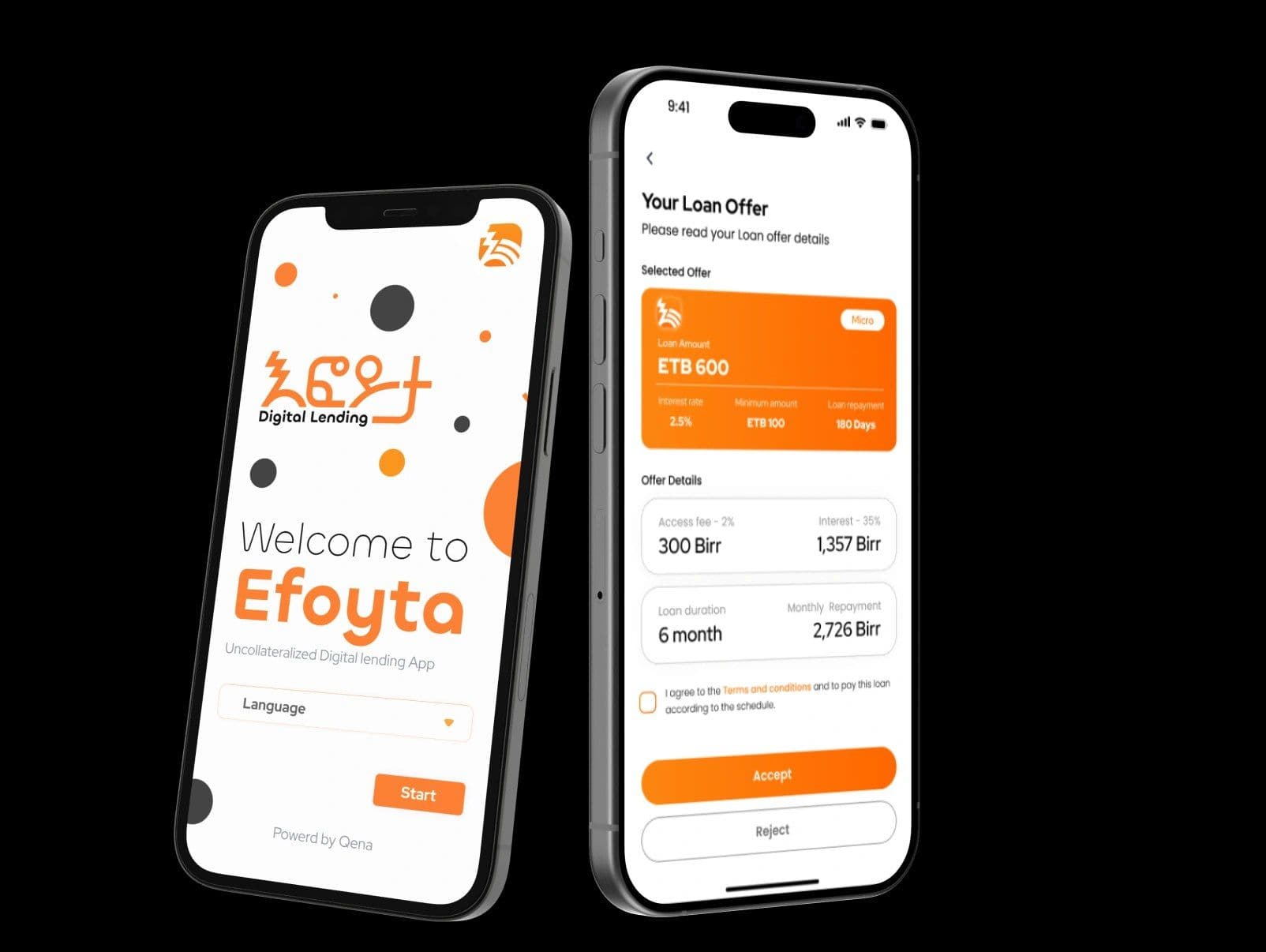
In comparison, a mobile money platform like EthioTelecom’s Telebirr requires a person 5 to 10 minutes of their time to create an account and start accepting and sending payments right away. EthioTelecom also has a better understanding of their customer’s spending habits and data, allowing them to provide non-collateralized and optimized loans, unlike Ethiopian banks who typically have traditional relationships with their clients.
Just like how Telebirr entered the scene and shook up the game, another development in the making is set to revolutionize Ethiopia’s financial sector.
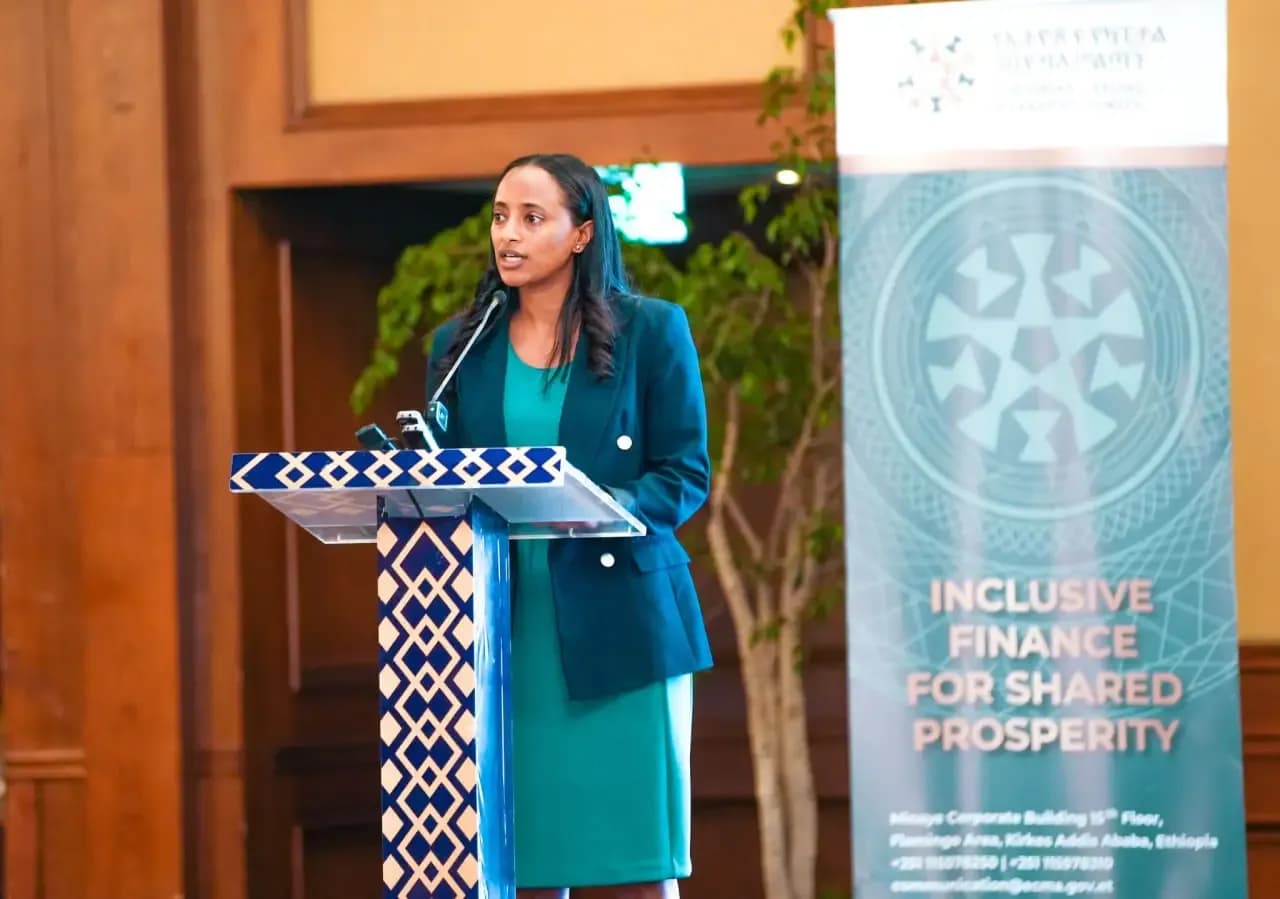
The Council of Ministers has approved a policy and strategy to allow foreign investment in Ethiopian banking, putting an end to a half-century of protectionism. The subsequent amendment of the Banking Business Proclamation by the National Bank of Ethiopia is already underway.
More from the Author- Digital Credit Is the Way Forward for Ethiopia
Foreign banks will bring decades of experience and capital to the Ethiopian financial ecosystem. Their excellent service provision has been evident in many third-world markets.
Ethiopian banks are alarmed by these developments and are getting ready for the competition, and many of them are trying to raise additional capital. Awash Bank shareholders have voted to boost the paid-up capital to one billion dollars in the next four years.
While this is a move in the right direction, there are still several factors that worry me about the readiness of domestic banks to face competition from tech platforms and foreign banks.
One factor I observed with local banks that doesn’t quite sit well with me is the notion of equating branch network and bank account growth with the operational growth of the bank. As the digitization of the banking system grows, branches are increasingly getting obsolete as customers can get access to whole banking operations with a click of their fingers.
This means, increasing the number of branches is just a cost for the bank, which doesn’t have a return in terms of transaction volume to justify the initial investment.
Most bank managers also have a KPI that is related to having a bank account. This has resulted in the creation of many ‘dead’ accounts that only have a transaction referring to the first initial deposit made by the customer. A person can have several bank accounts within one bank, let alone have various accounts across multiple banks. Having a bank account at a bank without transactions and savings does not translate to operational growth.
In addition, Ethiopian banks can do more to expand their customers’ utility on every front. The main reason why we, as customers, use banking systems is for their utility and functionality concerning the provision of fast services such as sending money via digital channels.
As Brett King, the founder and CEO of Moven, a fintech company working with banks, says either banks remove the friction for their end users or someone else will.
I do believe the growth of Ethiopian banks in terms of assets and deposits has been a primary driver of growth in the Ethiopian economy. However, technology is making their business operation methods increasingly obsolete and allowing challenger financial institutions to deliver higher value for their customers.
Local banks should seat down and assess their digital strategy and competitive landscape in lining medium to long-term plans with regard to how their operational future should go in the future.
Share this post:
Michael Tomas Gebremariam
At Shega, we do more than tell stories. We help you make an impact. Our platforms, data, and expertise connect brands, organizations, and investors to the audiences and insights that matter.
Reach, engage, and grow with us.
Get in Touch
Besew Online Debuts as a Platform for Transparent Hiring in Ethiopia
17 December 2025

How a Holiday Hassle Spawned a Thriving Culinary Business
24 November 2024
Latest Stories
22 December 2025
𝗗𝗲𝘀𝗶𝗴𝗻𝗲𝗱 𝗳𝗼𝗿 𝗪𝗵𝗼𝗺? 𝗧𝗵𝗲 𝗠𝗶𝗿𝗮𝗴𝗲 𝗼𝗳 𝗪𝗼𝗺𝗲𝗻-𝗖𝗲𝗻𝘁𝗿𝗶𝗰 𝗗𝗶𝗴𝗶𝘁𝗮𝗹 𝗙𝗶𝗻𝗮𝗻𝗰𝗲 𝗶𝗻 𝗘𝘁𝗵𝗶𝗼𝗽𝗶𝗮 QA
By Chilen14 December 2025
From Campus Idea to Satellite TV: Ethiopia Gets Its First Home Shopping Channel QA test
By ChilenLatest Stories
𝗗𝗲𝘀𝗶𝗴𝗻𝗲𝗱 𝗳𝗼𝗿 𝗪𝗵𝗼𝗺? 𝗧𝗵𝗲 𝗠𝗶𝗿𝗮𝗴𝗲 𝗼𝗳 𝗪𝗼𝗺𝗲𝗻-𝗖𝗲𝗻𝘁𝗿𝗶𝗰 𝗗𝗶𝗴𝗶𝘁𝗮𝗹 𝗙𝗶𝗻𝗮𝗻𝗰𝗲 𝗶𝗻 𝗘𝘁𝗵𝗶𝗼𝗽𝗶𝗮 QA
22 December 2025
From Campus Idea to Satellite TV: Ethiopia Gets Its First Home Shopping Channel QA test
14 December 2025

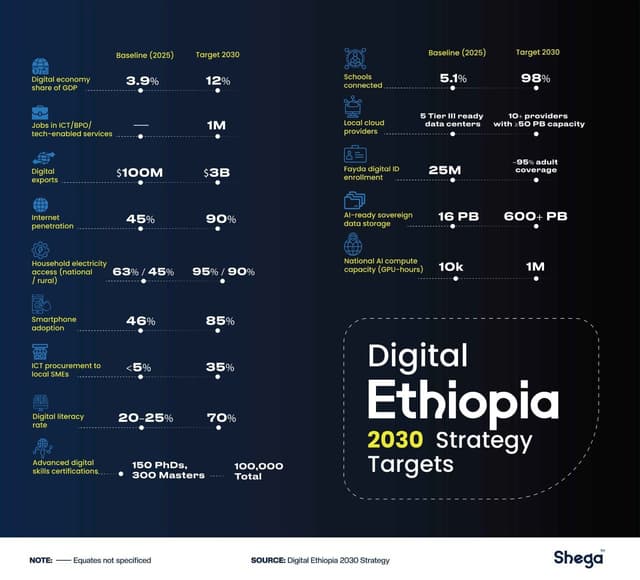
𝗗𝗮𝘁𝗮 𝗦𝗼𝘃𝗲𝗿𝗲𝗶𝗴𝗻𝘁𝘆, 𝗧𝗲𝗰𝗵-𝗦𝗮𝘃𝘃𝘆 𝗖𝗶𝘃𝗶𝗹 𝗦𝗲𝗿𝘃𝗮𝗻𝘁𝘀 & 𝟭 𝗺𝗶𝗹𝗹𝗶𝗼𝗻 𝗜𝗧 𝗷𝗼𝗯𝘀: 𝗨𝗻𝗽𝗮𝗰𝗸𝗶𝗻𝗴 𝗘𝘁𝗵𝗶𝗼𝗽𝗶𝗮’𝘀 𝟮𝟬𝟯𝟬 𝗗𝗶𝗴𝗶𝘁𝗮𝗹 𝗥𝗼𝗮𝗱𝗺𝗮𝗽 on Qa strapi
11 December 2025
Besew Online Debuts as a Platform for Transparent Hiring in Ethiopia
17 December 2025
How a Holiday Hassle Spawned a Thriving Culinary Business
24 November 2024