Ad

Ad

Progress for group 0 ad
Daniel Metaferiya(updated)
Addis Ababa, Ethiopia
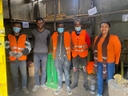
Operating on ten hectares of land on the outskirts of Jimma, the waste conversion plant can produce 75,000 tons of compost per year. Employing 80 workers along the value chain, the plant has already produced over 3,000 tons.
Jimma, the largest city in Southwest Oromia, is known for its coffee and wood products. A 2018 research estimates the city generates 85.8 tons of household waste daily, with an average per capita generation rate of 0.56 kg/day. Biodegradable organic waste constitutes 76% of this total, making it suitable for composting. However, open dumping is the primary disposal method for 35% of residents, and 22% use open burning on vacant land. The municipal service collects only 25% of the waste, disposing of it at a poorly managed site. Waste management systems in the city are poorly organized.
“The Institute plays a significant role in providing training and laboratory facilities for youths to test and improve their products. Training begins at the root level, covering waste collection and separation. The training duration varies, typically taking two months or more,” said Mulisa Jida (PhD), Director of Environmental Biotechnology at BETin.
After categorizing waste into compostable, non-compostable, recyclable, and non-recyclable, the waste is processed, with some going to facilities like the Repi Energy Plant. Before the Institute’s involvement, Jimma had a smaller waste processing plant. The waste dumping site manager, Kedir Abasiya, stated they produced up to 45,000 metric tons of organic fertilizers. Over forty SMEs are involved in waste collection. Waste collection extends from residential areas to government offices and hospitals.
Around 60% of the waste processed is organic. It takes about three months to produce the compost by using Effective Microorganisms (EM) that promote beneficial microbes and suppress undesirable ones. Waste from hospitals is directed to a dedicated burning site.
The compost product, costing seven birrs per kilo, is certified by the Ethiopian Quality Assurance Agency and available in 50 kg, 25 kg, and 10 kg bags.
According to Mulisa, similar projects have been implemented in Deberebirhan, Kotu, and other regions across the country.
Share this post:
Daniel Metaferiya(updated)
At Shega, we do more than tell stories. We help you make an impact. Our platforms, data, and expertise connect brands, organizations, and investors to the audiences and insights that matter.
Reach, engage, and grow with us.
Get in TouchLatest Stories
22 December 2025
𝗗𝗲𝘀𝗶𝗴𝗻𝗲𝗱 𝗳𝗼𝗿 𝗪𝗵𝗼𝗺? 𝗧𝗵𝗲 𝗠𝗶𝗿𝗮𝗴𝗲 𝗼𝗳 𝗪𝗼𝗺𝗲𝗻-𝗖𝗲𝗻𝘁𝗿𝗶𝗰 𝗗𝗶𝗴𝗶𝘁𝗮𝗹 𝗙𝗶𝗻𝗮𝗻𝗰𝗲 𝗶𝗻 𝗘𝘁𝗵𝗶𝗼𝗽𝗶𝗮 QA
By Chilen14 December 2025
From Campus Idea to Satellite TV: Ethiopia Gets Its First Home Shopping Channel QA test
By ChilenLatest Stories
𝗗𝗲𝘀𝗶𝗴𝗻𝗲𝗱 𝗳𝗼𝗿 𝗪𝗵𝗼𝗺? 𝗧𝗵𝗲 𝗠𝗶𝗿𝗮𝗴𝗲 𝗼𝗳 𝗪𝗼𝗺𝗲𝗻-𝗖𝗲𝗻𝘁𝗿𝗶𝗰 𝗗𝗶𝗴𝗶𝘁𝗮𝗹 𝗙𝗶𝗻𝗮𝗻𝗰𝗲 𝗶𝗻 𝗘𝘁𝗵𝗶𝗼𝗽𝗶𝗮 QA
22 December 2025
From Campus Idea to Satellite TV: Ethiopia Gets Its First Home Shopping Channel QA test
14 December 2025

𝗗𝗮𝘁𝗮 𝗦𝗼𝘃𝗲𝗿𝗲𝗶𝗴𝗻𝘁𝘆, 𝗧𝗲𝗰𝗵-𝗦𝗮𝘃𝘃𝘆 𝗖𝗶𝘃𝗶𝗹 𝗦𝗲𝗿𝘃𝗮𝗻𝘁𝘀 & 𝟭 𝗺𝗶𝗹𝗹𝗶𝗼𝗻 𝗜𝗧 𝗷𝗼𝗯𝘀: 𝗨𝗻𝗽𝗮𝗰𝗸𝗶𝗻𝗴 𝗘𝘁𝗵𝗶𝗼𝗽𝗶𝗮’𝘀 𝟮𝟬𝟯𝟬 𝗗𝗶𝗴𝗶𝘁𝗮𝗹 𝗥𝗼𝗮𝗱𝗺𝗮𝗽 on Qa strapi
11 December 2025