Ad

Ad

Progress for group 0 ad

Team Shega
Addis Ababa, Ethiopia
This is an excerpt from the 2023 Startup Ecosystem Report, a collaboration between Shega, JICA, and MInT, that offers a deep dive into the city’s vibrant innovation landscape.
To get full Insights from the 2023 Ecosystem Report click here.
____
Access to finance remains a significant challenge for startups in Ethiopia, hindering their ability to scale and grow their businesses. A vast majority of the startups sampled in our study identified lack of access to finance as their main challenge. Early-stage startups often struggle to secure funding because they do not have a market-tested and fit product, and thus are not typically in the radar of most equity investors who prefer to invest in startups at minimum viable product (MVP) level. Furthermore, commercial banks and financial institutions in Ethiopia are often hesitant to provide loans to startups as they are considered high-risk investments and do not have adequate collateral to secure the loans. Startups also face challenges in accessing other types of financing such as venture capital, angel investment, and crowdfunding, which are not yet fully developed in Ethiopia.
The lack of access to finance has serious implications for startups as it limits their ability to invest in research and development, marketing, and other critical aspects of their businesses. Without access to adequate funding, startups struggle to attract and retain top talent, develop new products, and expand into new markets. This ultimately hampers their ability to create jobs and contribute to economic growth.
But, while the business environment for startups is improving, there are still obstacles related to the legal and regulatory framework that they need to overcome. According to the survey, startups have mentioned that the lack of progress in the startup act has made it challenging for them to operate as startups. Additionally, they face various hurdles in terms of business operations, such as lengthy and costly bureaucratic processes to register a business. Furthermore, the legal system is not always dependable, making it arduous for startups to enforce contracts or safeguard their intellectual property.
Although the business environment for startups has improved, there are still challenges related to the legal and regulatory environment. Some startups have mentioned that the lack of progress in the startup act has made it difficult for them to operate as a startup. The lack of a clear way to distinguish between different stages of business development for startups and label startups in the ecosystem is something that needs to be looked at.
Additionally, there are challenges related to business operations, including the lengthy and costly bureaucratic process for registering a business, and an unreliable legal system that makes it difficult to enforce contracts and protect intellectual property.
Despite the growth in support ecosystem players for startups, there is still much to be done for the startup ecosystem to move away from the activation phase. For instance, there are no coworking spaces, incubators, or accelerators to provide startups with resources like mentoring and networking. Furthermore, the government does not provide sufficient support for startups, such as tax incentives or grants.
Startups in Addis Ababa often struggle to find affordable office space and other infrastructure, such as reliable internet access and transportation. Also, several industrial startups in Ethiopia have expressed their concerns regarding the lack of foreign exchange. This scarcity has made it difficult for startups to source inputs from abroad for their production, as well as pay for various services that are typically paid in USD, such as cloud and AWS.
In addition, the shortage of skilled labour has been a major challenge for startups in Ethiopia. Many startups require skilled workers such as software engineers, designers, and marketers, but the education system has not adequately prepared students with the skills required by startups. This lack of skilled labour is exacerbated by the brain drain problem, as many talented individuals leave the country to seek better opportunities abroad.
Furthermore, the lack of skilled labour is not limited to the startup industry but is a broader issue affecting the country’s economy. The government has recognized this challenge and has taken steps to address it, such as investing in vocational and technical training programs. Overall, while Ethiopia’s startup ecosystem has made progress in recent years, challenges related to foreign exchange and skilled labour continue to hinder the growth and success of startups in the country. Addressing these challenges will require a concerted effort from various stakeholders, including the government, private sector, and educational institutions.
Startups in Addis Ababa face significant challenges in terms of performance. The lack of access to finance and investment, as well as limited technical skills and experience, has made it difficult for startups to develop and scale their businesses. Additionally, the limited availability of resources such as co-working spaces and accelerators also limits their performance potential. They are also having a hard time reaching their target markets. Since they have limited access to data, which can make it difficult to identify and analyse market trends, and nationwide poor infrastructure and logistics, which hamper the distribution of products and services. Furthermore, the lack of an established startup ecosystem to an adequate degree in the city limits the opportunities for startups to network and collaborate with other businesses.
The connectedness of startups in Addis Ababa is limited by a range of factors, including the lack of a strong startup ecosystem, limited access to funding, and low levels of digital connectivity. There is a lack of coordination between development partners, business support organizations (BSOs), which has led to duplication of effort in some instances and ineffective support for startups. Additionally, startups in Addis Ababa also face challenges in developing partnerships with established businesses, which can limit their access to resources and expertise. There is also a shortage of technical and entrepreneurial skills in the city, which can make it difficult for startups to develop and scale their businesses. Additionally, limited access to education and training further exacerbates this issue.
The startup ecosystem is a dynamic and constantly evolving environment that requires specialized knowledge and expertise to navigate successfully. Unfortunately, many stakeholders in the ecosystem face several challenges that stop them from fully engaging in supporting the ecosystem and building it up.
Government institutions in Addis Ababa, for example, face several challenges when trying to work with startups. The support for “entrepreneurs” from various government agencies is not coordinated horizontally, which poses significant challenges. The definitions of key terms such as “innovation” and “startup” are not standardized, leading to confusion about the support available to SMEs and startups. Some programs claiming to support startups are actually designed for SMEs or small farmers. The technical and financial assistance required by SMEs and startups differ significantly, making it crucial to clarify the definitions and understand the type of support available to each. MInT has recognized this confusion and is making efforts to address it. However, there is a lack of information, and few staff members investigate the issue. A comprehensive analysis of the programs implemented by each government organization, the target audience, and the projects’ substance is necessary to gain a horizontal understanding of the available support and to inform policymaking. Also, currently there is no framework to provide grants to startups from the government, which makes it challenging to provide the financial assistance and resources that startups need to thrive.
On the other hand, Addis Ababa’s startup ecosystem suffers from a shortage of ecosystem builders, such as incubators, accelerators, and mentorship programs. These entities play a crucial role in supporting startups with access to funding, business development, and networking opportunities, among others. However, even the existing incubators and accelerators face challenges due to limited funding and resources to support their operations, including the necessary infrastructure and mentorship for startups.
Another issue is the lack of tailored support for startups, such as sector-specific programs and mentorship opportunities with successful entrepreneurs. Addressing these challenges could help enhance the ecosystem’s support for startups, making it more conducive to their growth and success.
Educational institutions in the city also face several challenges in trying to work towards a better startup ecosystem. One of the main challenges they face is a lack of awareness about the startup ecosystem. Many educational institutions are not fully aware of the potential benefits of working with startups, or they do not have the resources or expertise to do so effectively. This can result in missed opportunities for collaboration and innovation. To overcome this challenge, educational institutions need to invest in building awareness and knowledge about the startup ecosystem, both within their own organizations and in the wider
Share this post:
Team Shega
At Shega, we do more than tell stories. We help you make an impact. Our platforms, data, and expertise connect brands, organizations, and investors to the audiences and insights that matter.
Reach, engage, and grow with us.
Get in Touch
Healthcare Startup Debuts Prescription Platform
03 March 2025
Can AliExpress Unlock Ethiopia’s E-Commerce Potential?
25 August 2024

Ethiopia’s Delicate Dance with Personal Data Protection
24 August 2024

Ethiopian Tradition Sparks Insurance Revolution
17 August 2024

Addis Ababa-Based Agri-Tech Startup Takes on Poultry
15 August 2024
Latest Stories
22 December 2025
𝗗𝗲𝘀𝗶𝗴𝗻𝗲𝗱 𝗳𝗼𝗿 𝗪𝗵𝗼𝗺? 𝗧𝗵𝗲 𝗠𝗶𝗿𝗮𝗴𝗲 𝗼𝗳 𝗪𝗼𝗺𝗲𝗻-𝗖𝗲𝗻𝘁𝗿𝗶𝗰 𝗗𝗶𝗴𝗶𝘁𝗮𝗹 𝗙𝗶𝗻𝗮𝗻𝗰𝗲 𝗶𝗻 𝗘𝘁𝗵𝗶𝗼𝗽𝗶𝗮 QA
By Chilen14 December 2025
From Campus Idea to Satellite TV: Ethiopia Gets Its First Home Shopping Channel QA test
By ChilenLatest Stories
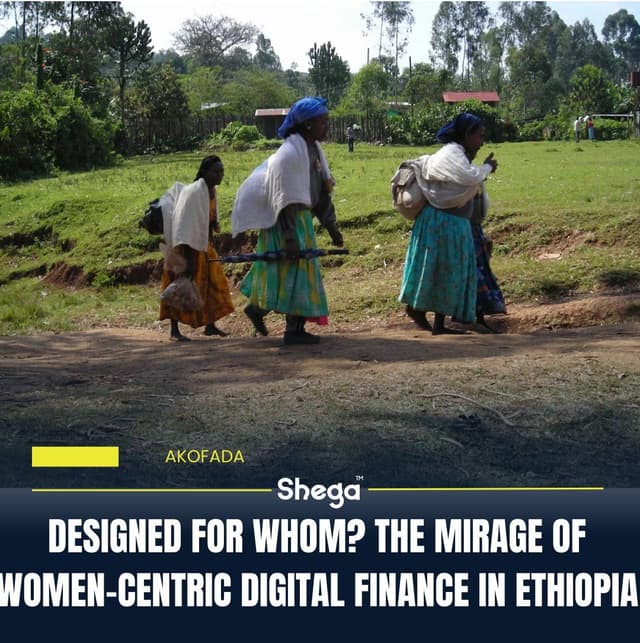
𝗗𝗲𝘀𝗶𝗴𝗻𝗲𝗱 𝗳𝗼𝗿 𝗪𝗵𝗼𝗺? 𝗧𝗵𝗲 𝗠𝗶𝗿𝗮𝗴𝗲 𝗼𝗳 𝗪𝗼𝗺𝗲𝗻-𝗖𝗲𝗻𝘁𝗿𝗶𝗰 𝗗𝗶𝗴𝗶𝘁𝗮𝗹 𝗙𝗶𝗻𝗮𝗻𝗰𝗲 𝗶𝗻 𝗘𝘁𝗵𝗶𝗼𝗽𝗶𝗮 QA
22 December 2025
From Campus Idea to Satellite TV: Ethiopia Gets Its First Home Shopping Channel QA test
14 December 2025

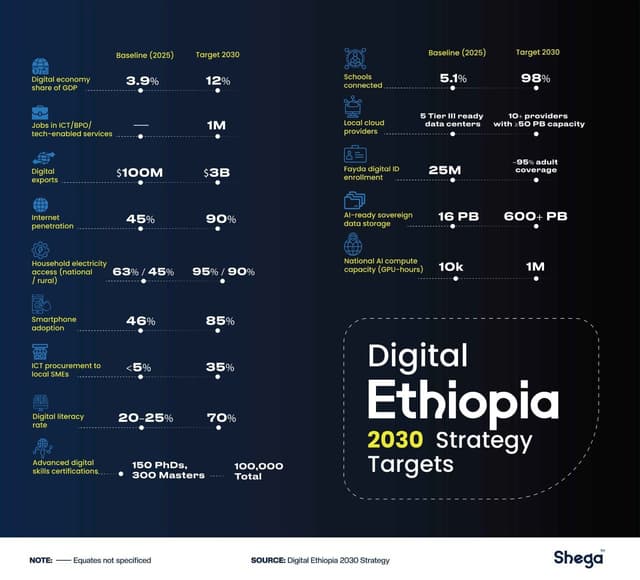
𝗗𝗮𝘁𝗮 𝗦𝗼𝘃𝗲𝗿𝗲𝗶𝗴𝗻𝘁𝘆, 𝗧𝗲𝗰𝗵-𝗦𝗮𝘃𝘃𝘆 𝗖𝗶𝘃𝗶𝗹 𝗦𝗲𝗿𝘃𝗮𝗻𝘁𝘀 & 𝟭 𝗺𝗶𝗹𝗹𝗶𝗼𝗻 𝗜𝗧 𝗷𝗼𝗯𝘀: 𝗨𝗻𝗽𝗮𝗰𝗸𝗶𝗻𝗴 𝗘𝘁𝗵𝗶𝗼𝗽𝗶𝗮’𝘀 𝟮𝟬𝟯𝟬 𝗗𝗶𝗴𝗶𝘁𝗮𝗹 𝗥𝗼𝗮𝗱𝗺𝗮𝗽 on Qa strapi
11 December 2025
Healthcare Startup Debuts Prescription Platform
03 March 2025
Can AliExpress Unlock Ethiopia’s E-Commerce Potential?
25 August 2024
Ethiopia’s Delicate Dance with Personal Data Protection
24 August 2024
Ethiopian Tradition Sparks Insurance Revolution
17 August 2024
Addis Ababa-Based Agri-Tech Startup Takes on Poultry
15 August 2024