Ad

Ad

Progress for group 0 ad
Daniel Metaferiya(updated)
Addis Ababa, Ethiopia
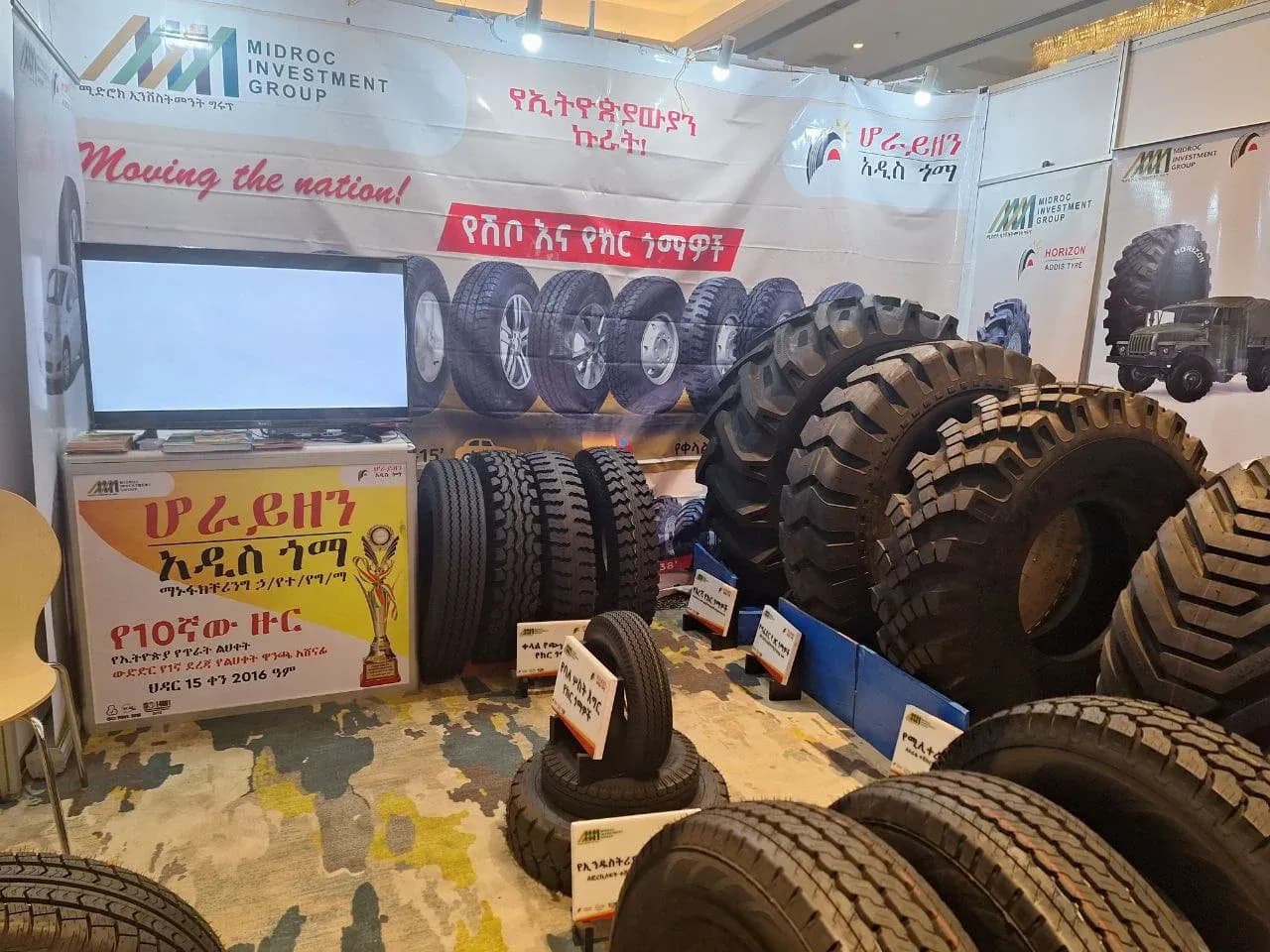
A landmark production technique developed by the Bio and Emerging Institute looks to cut tire manufacturing costs by half through replacing essential imported inputs with local alternatives. The state-owned enterprise has developed a method to replace nanosilica, an inorganic compound with wide-scope applications in industrial production, with derivatives from local acid manufacturers.
While the compound is commonly applied in the medical industry as a drug carrier and as a source of bioavailable silicon in agriculture, its use as a polymer filler has made it a critical input in the tire production industry.
Wondimagegn Mamo (PhD), Head of the Nanotechnology Directorate at the Institute, expects intense utilization of Ethiopia’s silica sand deposits to accelerate the growth of the tire manufacturing industry. He also noted the potential source from the outputs of local sulfate factories as an undervalued source of nanosilica deposits.
“We are at an ideal point to begin mass production of the material,” he told Shega.
The director pointed out the competitive advantages of locally producing nanosilca through its significant cost-cutting benefits. It is used in concentrations ranging from 5pc to 20 of the total weight of the rubber compound with source materials like silica and silicon tetrachloride.
“A single kilogram might cost up to five dollars,” Wondemagegn says. “It all depends on purity.”
According to the Nanotechnology Director, utilizing silica sourced from factory derivatives reduces the cost by 50 percent.
Industry insiders from one of the largest tire manufacturers in the country express a sense of relief over the possible availability of local nanosilica.
Yitayal Worqneh, Head of Compounding Technology at Horizon Addis Tyre Manufacturing, foresees fully substituting the imported input in the long run. He estimates a complete replacement of the 30 tons used by the MIDROC subsidiary annually if everything goes according to plan.
“A few road tests and purification is what remains,” Yitayal told Shega.
He says the prototype has already been developed following in-house laboratory tests, with specialized testing on specific terrain scheduled in the short term.
The company, which primarily relies on silica imports from India, can produce more than one million tires annually. Relief from foreign currency pressures is crucial for Horizon, which was forced to stop production four years ago due to a lack of foreign currency to import raw materials.
Yitayal points out that nearly 100 critical raw materials, including rubber, fillers, plasticizers, cords, and vulcanizing agents’ process retarders, are needed for full production.
“Each item has its own particular purpose,” he says.
Different grades of quality exist for the silica raw material, priced from 135 birr per kg all the way up to 185 birr. At full capacity, the importation of silica alone costs Horizon around 8 million birr annually.
According to a 2023 paper by the United Nations Development Programme (UNDP), foreign currency shortage is one of the most commonly cited challenges expressed by local manufacturers.
A sentiment echoed by the developers of the compound at the Institute.
Wondmagegn is hopeful that the intricacies of producing nanosilica from factory waste will be overcome in the near term, quenching a significant thirst for forex.
Share this post:
Daniel Metaferiya(updated)
At Shega, we do more than tell stories. We help you make an impact. Our platforms, data, and expertise connect brands, organizations, and investors to the audiences and insights that matter.
Reach, engage, and grow with us.
Get in Touch
Undercurrents of USAID Funding Freeze in Ethiopia
01 March 2025

ECMA Opens Door to Capital Market Innovation with Launch of Sandbox1
24 November 2024

Ethiopia’s Delicate Dance with Personal Data Protection
24 August 2024
Latest Stories
22 December 2025
𝗗𝗲𝘀𝗶𝗴𝗻𝗲𝗱 𝗳𝗼𝗿 𝗪𝗵𝗼𝗺? 𝗧𝗵𝗲 𝗠𝗶𝗿𝗮𝗴𝗲 𝗼𝗳 𝗪𝗼𝗺𝗲𝗻-𝗖𝗲𝗻𝘁𝗿𝗶𝗰 𝗗𝗶𝗴𝗶𝘁𝗮𝗹 𝗙𝗶𝗻𝗮𝗻𝗰𝗲 𝗶𝗻 𝗘𝘁𝗵𝗶𝗼𝗽𝗶𝗮 QA
By Chilen14 December 2025
From Campus Idea to Satellite TV: Ethiopia Gets Its First Home Shopping Channel QA test
By ChilenLatest Stories
𝗗𝗲𝘀𝗶𝗴𝗻𝗲𝗱 𝗳𝗼𝗿 𝗪𝗵𝗼𝗺? 𝗧𝗵𝗲 𝗠𝗶𝗿𝗮𝗴𝗲 𝗼𝗳 𝗪𝗼𝗺𝗲𝗻-𝗖𝗲𝗻𝘁𝗿𝗶𝗰 𝗗𝗶𝗴𝗶𝘁𝗮𝗹 𝗙𝗶𝗻𝗮𝗻𝗰𝗲 𝗶𝗻 𝗘𝘁𝗵𝗶𝗼𝗽𝗶𝗮 QA
22 December 2025

From Campus Idea to Satellite TV: Ethiopia Gets Its First Home Shopping Channel QA test
14 December 2025

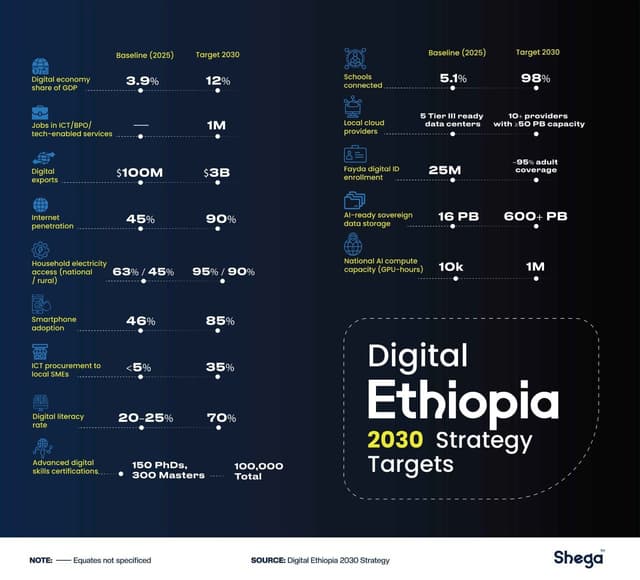
𝗗𝗮𝘁𝗮 𝗦𝗼𝘃𝗲𝗿𝗲𝗶𝗴𝗻𝘁𝘆, 𝗧𝗲𝗰𝗵-𝗦𝗮𝘃𝘃𝘆 𝗖𝗶𝘃𝗶𝗹 𝗦𝗲𝗿𝘃𝗮𝗻𝘁𝘀 & 𝟭 𝗺𝗶𝗹𝗹𝗶𝗼𝗻 𝗜𝗧 𝗷𝗼𝗯𝘀: 𝗨𝗻𝗽𝗮𝗰𝗸𝗶𝗻𝗴 𝗘𝘁𝗵𝗶𝗼𝗽𝗶𝗮’𝘀 𝟮𝟬𝟯𝟬 𝗗𝗶𝗴𝗶𝘁𝗮𝗹 𝗥𝗼𝗮𝗱𝗺𝗮𝗽 on Qa strapi
11 December 2025
Undercurrents of USAID Funding Freeze in Ethiopia
01 March 2025
ECMA Opens Door to Capital Market Innovation with Launch of Sandbox1
24 November 2024
Ethiopia’s Delicate Dance with Personal Data Protection
24 August 2024