Ad

Ad

Progress for group 0 ad
Team Shega
Addis Ababa, Ethiopia
By Endashaw Tesfaye & Ariel Delaney
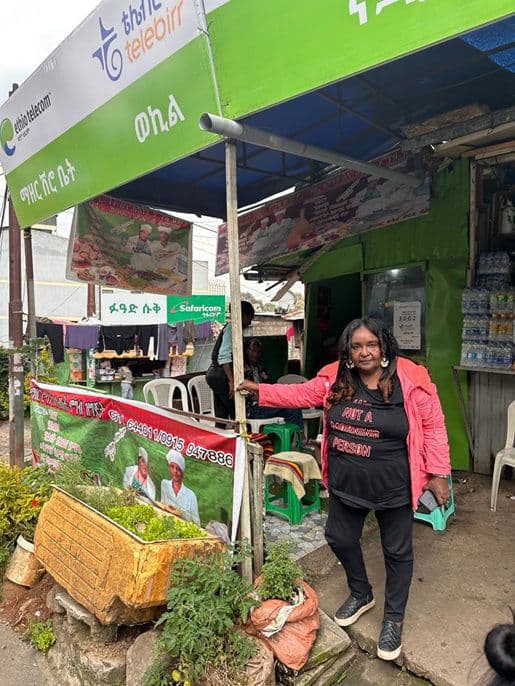
Recently, we met with ‘Emu’ and ‘Roman’ (affectionately known as ‘Mommy’). Both of whom are telebirr agents. They started offering mobile money services with the focus of sustaining their businesses. Emu is a mother of one running a retail shop in the middle of the Piasa neighborhood of Addis Abeba. She inherited the shop 20 years ago from her mother, who also ran it 20 years prior. The retail business is challenging, and Emu’s son is not interested in taking it over. Emu became an agent five years ago for Hellocash service with Wegagen bank. The service was based on Unstructured Supplementary Service Data (USSD), and with the basic training provided by a super-agent, she quickly started delivering mobile money services. “My phone was a ‘feature phone’ which made it easy for me to adapt to the service. I moved my airtime money as an initial deposit to run the new business, both mobile money service and selling airtime.”
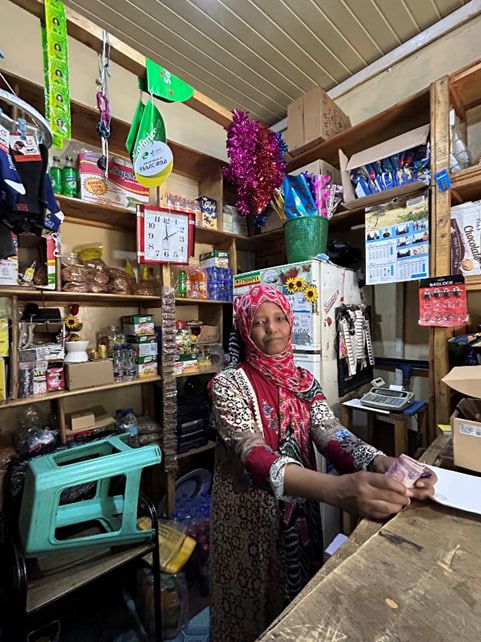
This adoption didn’t come without hurdles. Emu was struggling with the lack of working capital for her business and the float (balance of e-money) needed to maintain for serving her Hellocash clients. She recently become an agent for telebirr, which requires a smart phone, and began building new digital skills to operate her new product. She took a one-week telebirr training. Unlike her first-time agency banking when she learned on her own by writing the steps out, Emu required additional assistance with telebirr. She eventually managed to operate the system on her own by navigating through the smart phone and the telebirr application (app). She practiced by making small transactions with relatives to build her confidence to provide telebirr services.
In Ethiopia, there are multiple service providers of mobile money like Emu that are operating in both urban as well rural parts of the country. Even though, the service was launched just over two years ago, telebirr, has showcased a good use to Micro, Small and Medium Enterprises (MSMEs) in Ethiopia, and has taken the country by storm. A wide range of MSMEs have joined the network of service delivery by becoming agents of the service to serve their communities.
As mobile money agents, women agents provide a more trusted environment for women to make transactions, even though they also face operational and safety concerns. This is not the first time that businesses in Ethiopia, mainly in the capital- Addis Abeba, witnessed such services and merchants becoming agents. However, the scale was different, and now telebirr is becoming a household name and is being used regularly.
“I have a good relationship with someone from the company (telebirr) that introduced me to the service where I can call the coordinator for different challenges I face in running the business. Not only questions around how to provide the service but with liquidity issues that I face from time-to-time. I sell a lot of airtime and provide cash- in and cash-out (CICO) services. I do not register customers as it is a struggle to navigate through the application, and it takes more time for me to do it. I tried it at the beginning. If I am not going to get commission on it, I am not registering customers.”
Emu highlights an issue that agents face across the globe, refusing CICO services due to liquidity management. For Emu, this is especially true for transactions that are above 1,000 and 2,000 Ethiopian Birr (~$18 dollars). As a backstop for emergencies and managing her float for selling airtime, Emu maintains a small amount of float in her personal account.
Commission generation is another hurdle Emu encounters. The commission from selling airtime is much higher than CICO services. On airtime, Emu gets 5% on Electronic Voucher Distribution (EVD) and more if sold via the telebirr app. With CICO services, Emu receives only 5% on a 1,000-birr (~$18 dollars) transaction, which is 10 times lower than what she could have earned if she sold a 1,000-birr (~$18 dollars) airtime transaction. This puts her in a tough position – deciding which service to provide given her working capital limitations. “The maximum float I had in my wallet was 7,000 birr (~$125 dollars) and on average I maintain around 2,000 birr (~$36 dollars).”
Since April 24, 2023, all gas stations in Addis Ababa have commenced the adoption of digital fuel transactions, completely eliminating cash transactions. Consequently, taxi drivers are now visiting mobile money agents more frequently.
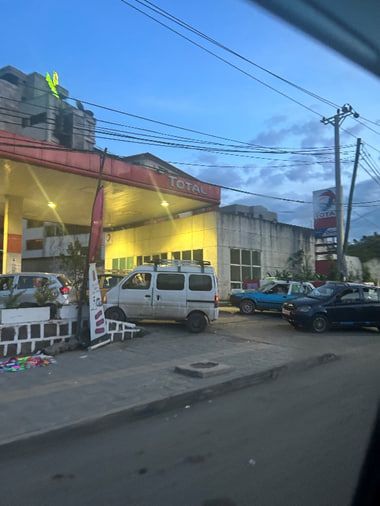
But Emu is often unable to support these transactions because she does not have the float to offer additional services that are available on telebirr such as electricity/water bill payments and private sector subscription payments. While it brings additional opportunities for more revenue, it poses the challenge of meeting the liquidity requirements needed to serve her clients in the crowded streets of Piasa. At the same time, there are no other agents nearby to support her. Cash may always be preferable for small transactions, but increasing transaction volume for women agents will remain a challenge if access to credit and support for digital adoption are not addressed.
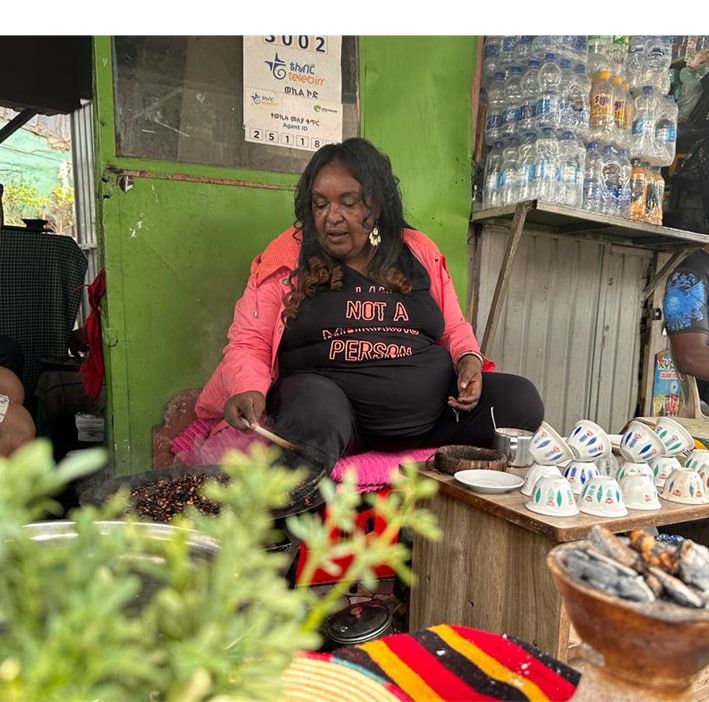
Our second visit with Roman, known as ‘Mommy’, a telebirr agent who is running a small food and catering business in the center of Addis Abeba around the busy area of the Hagerfiker Theater. She started her coffee business as her husband’s income became insufficient to support her family. She was a housewife and did not have any prior business skills, compared to Emu. Mommy has had her shop for 5 years, starting it after she attended a class sponsored by the local government for potential women entrepreneurs.
“I only joined the training to get the allowances the government was giving at the time. However, when I go out of the training, I was a different person.”
Mommy received her name from the local students who frequent her shop. Starting her coffee business was not easy for her, but the training she received pushed her to progress ahead. “I received half a case of bottles from a friend of mine that was traveling abroad, and I was able to sell those bottles to buy half a kg of coffee. I brewed the coffee and I was able to sell it at a small corner at the fence of my house. From that day of sales, I earned a net 70 birr (~$1.25 dollars), and it was a life changing moment for me.” The business that she started with a plastic cover now has a small kitchen area for dining, a covered outside space and large outdoor signage that includes her name. Eventually, she received a loan of seven soda bottles from a friend and sold them in one day for 80 birr (~$1.45 dollars). Mommy had turned that into a case of bottles which she sold for 1,500 birr (~$26 dollars). A 500 birr (~$8 dollars) profit.
Share this post:
Team Shega
At Shega, we do more than tell stories. We help you make an impact. Our platforms, data, and expertise connect brands, organizations, and investors to the audiences and insights that matter.
Reach, engage, and grow with us.
Get in Touch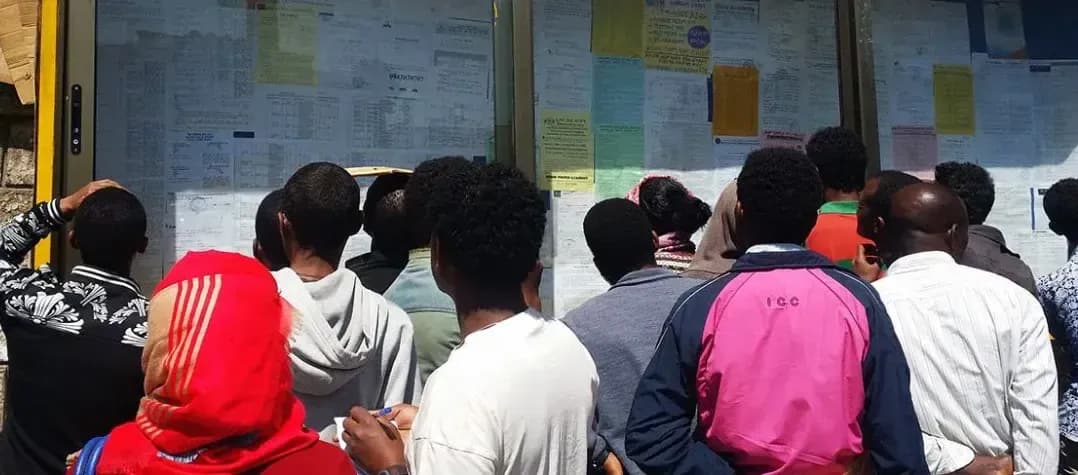
Besew Online Debuts as a Platform for Transparent Hiring in Ethiopia
17 December 2025
How a Holiday Hassle Spawned a Thriving Culinary Business
24 November 2024
Latest Stories
22 December 2025
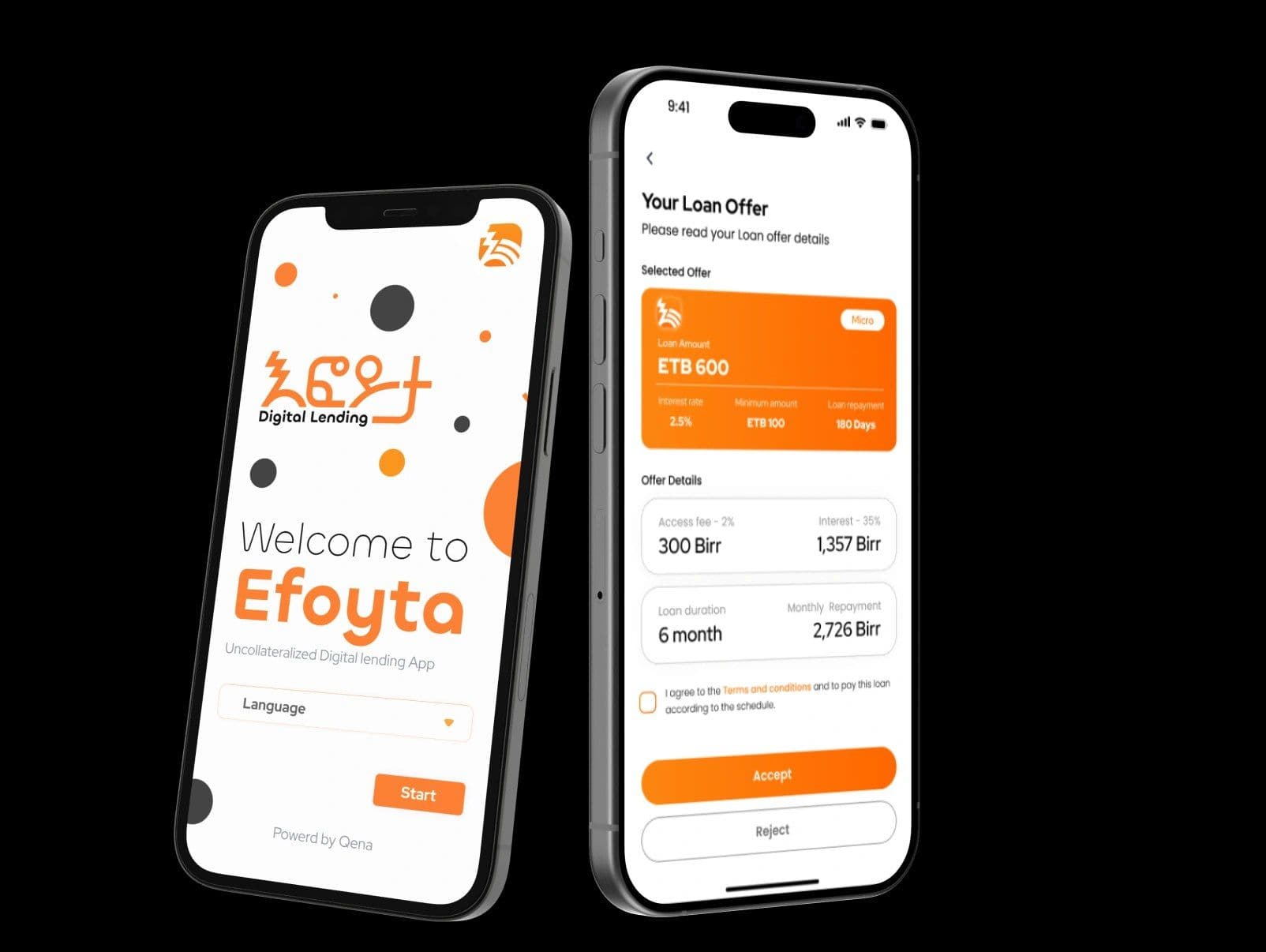
𝗗𝗲𝘀𝗶𝗴𝗻𝗲𝗱 𝗳𝗼𝗿 𝗪𝗵𝗼𝗺? 𝗧𝗵𝗲 𝗠𝗶𝗿𝗮𝗴𝗲 𝗼𝗳 𝗪𝗼𝗺𝗲𝗻-𝗖𝗲𝗻𝘁𝗿𝗶𝗰 𝗗𝗶𝗴𝗶𝘁𝗮𝗹 𝗙𝗶𝗻𝗮𝗻𝗰𝗲 𝗶𝗻 𝗘𝘁𝗵𝗶𝗼𝗽𝗶𝗮 QA
By Chilen14 December 2025
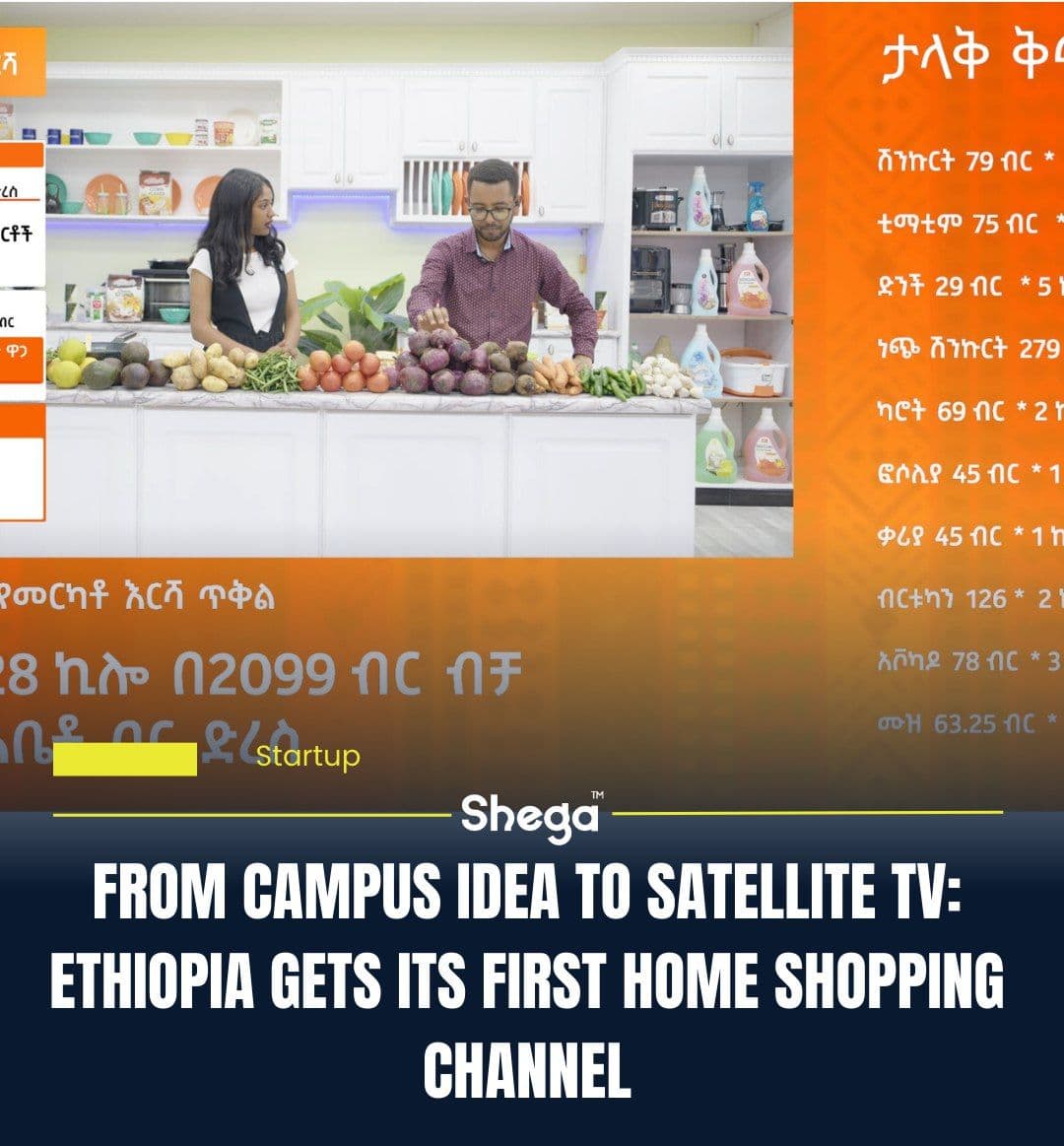
From Campus Idea to Satellite TV: Ethiopia Gets Its First Home Shopping Channel QA test
By ChilenLatest Stories
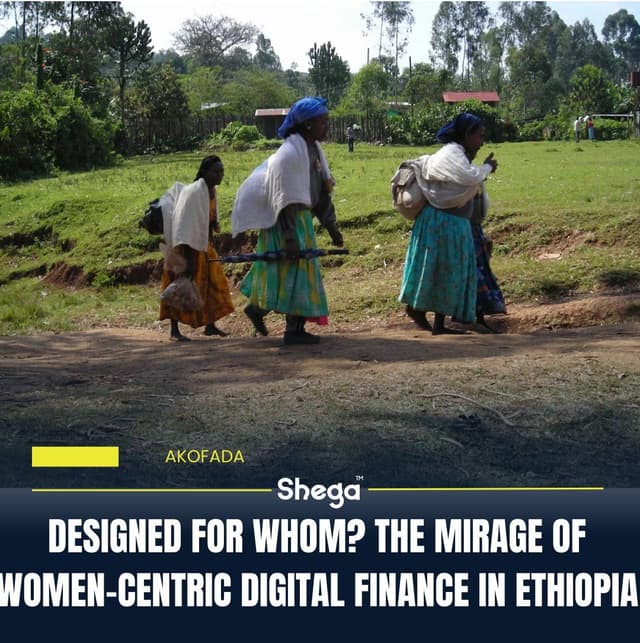
𝗗𝗲𝘀𝗶𝗴𝗻𝗲𝗱 𝗳𝗼𝗿 𝗪𝗵𝗼𝗺? 𝗧𝗵𝗲 𝗠𝗶𝗿𝗮𝗴𝗲 𝗼𝗳 𝗪𝗼𝗺𝗲𝗻-𝗖𝗲𝗻𝘁𝗿𝗶𝗰 𝗗𝗶𝗴𝗶𝘁𝗮𝗹 𝗙𝗶𝗻𝗮𝗻𝗰𝗲 𝗶𝗻 𝗘𝘁𝗵𝗶𝗼𝗽𝗶𝗮 QA
22 December 2025
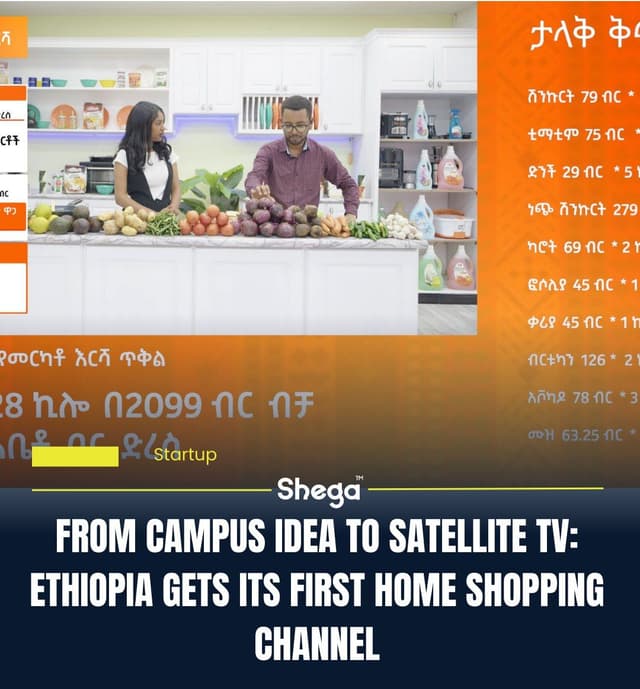
From Campus Idea to Satellite TV: Ethiopia Gets Its First Home Shopping Channel QA test
14 December 2025
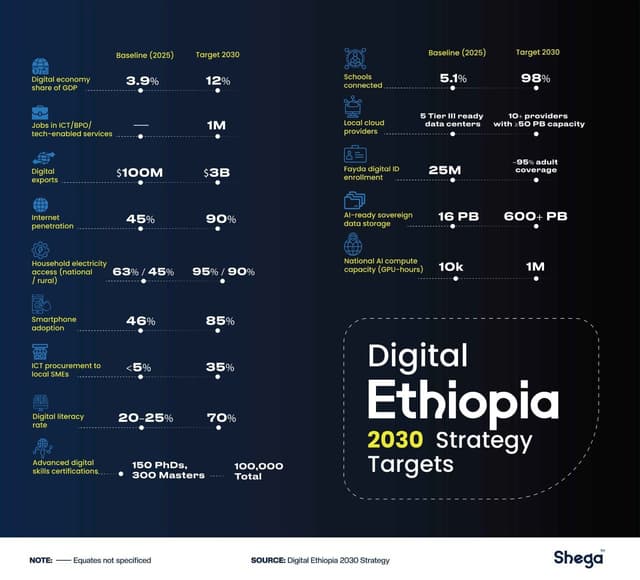
𝗗𝗮𝘁𝗮 𝗦𝗼𝘃𝗲𝗿𝗲𝗶𝗴𝗻𝘁𝘆, 𝗧𝗲𝗰𝗵-𝗦𝗮𝘃𝘃𝘆 𝗖𝗶𝘃𝗶𝗹 𝗦𝗲𝗿𝘃𝗮𝗻𝘁𝘀 & 𝟭 𝗺𝗶𝗹𝗹𝗶𝗼𝗻 𝗜𝗧 𝗷𝗼𝗯𝘀: 𝗨𝗻𝗽𝗮𝗰𝗸𝗶𝗻𝗴 𝗘𝘁𝗵𝗶𝗼𝗽𝗶𝗮’𝘀 𝟮𝟬𝟯𝟬 𝗗𝗶𝗴𝗶𝘁𝗮𝗹 𝗥𝗼𝗮𝗱𝗺𝗮𝗽 on Qa strapi
11 December 2025
Besew Online Debuts as a Platform for Transparent Hiring in Ethiopia
17 December 2025
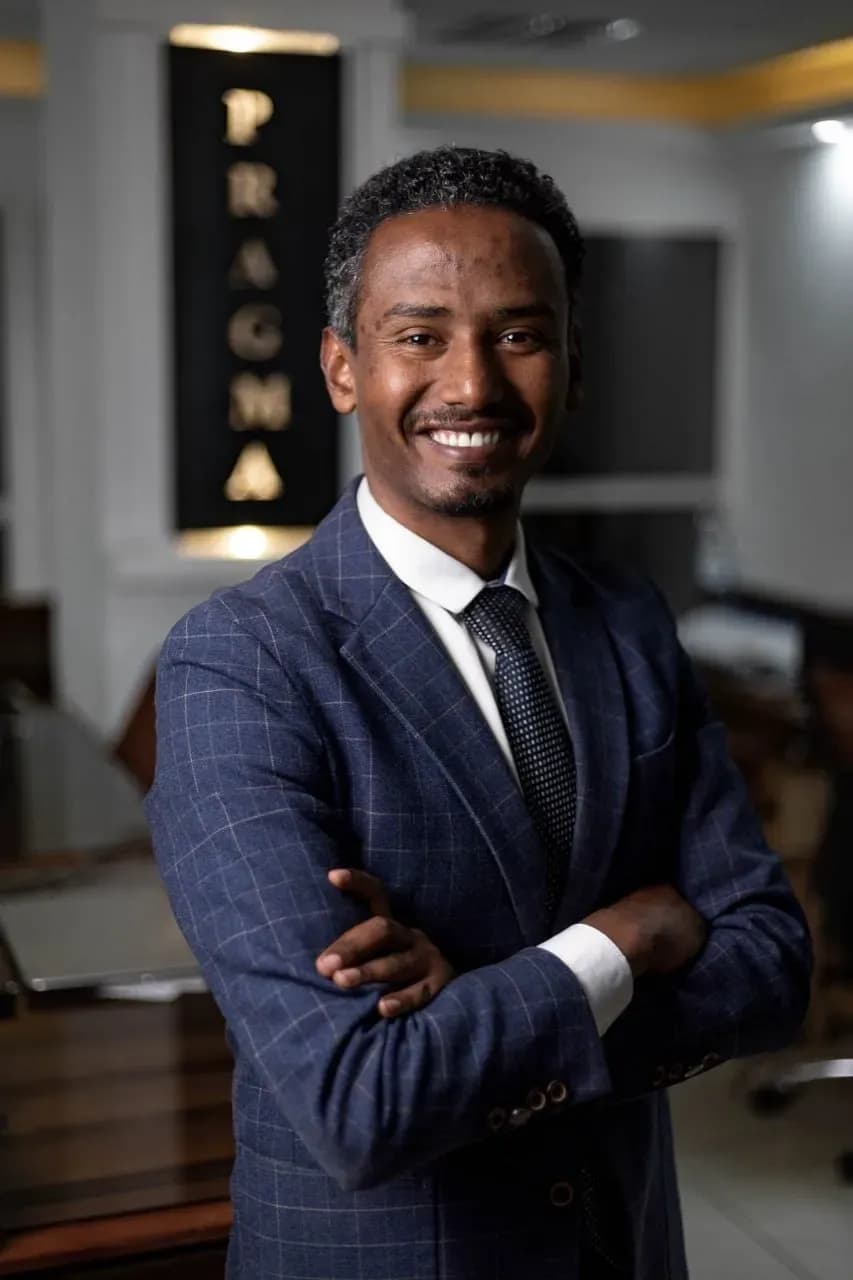
How a Holiday Hassle Spawned a Thriving Culinary Business
24 November 2024